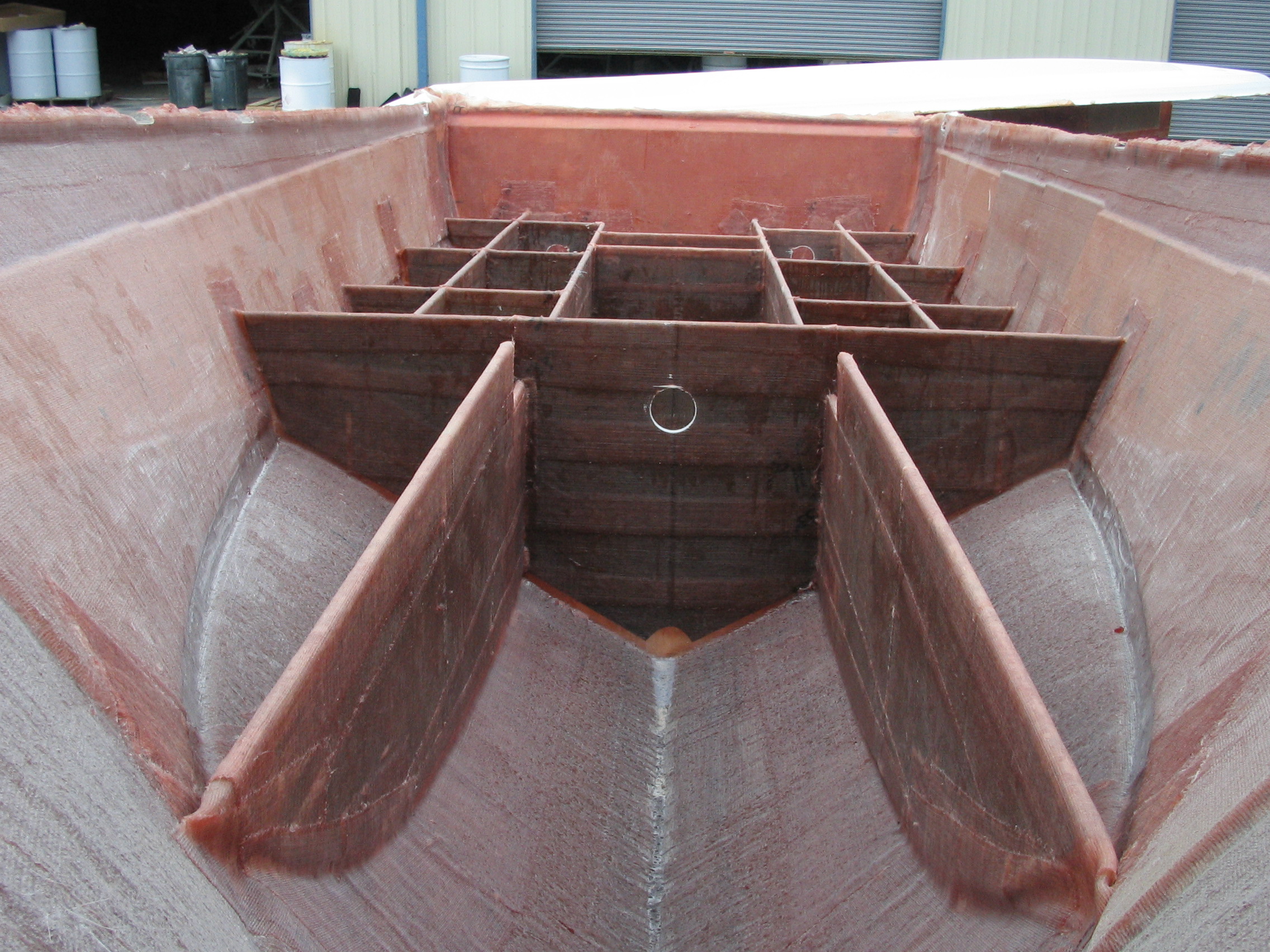


ATL’s structural engineers and composite specialists provide technical support throughout every project. Our team offers structural load verification, FEA modelling, compliance guidance, and assistance with material selection, joining methods, and fabrication processes. Support is available remotely or on-site, ensuring optimal performance and seamless integration into your build workflow.
At ATL Composites, your project becomes our project. Our Sales, Engineering, and CNC Kitting teams work directly with you from concept through production to roll out, ensuring every kit is engineered for accuracy, efficiency, and long-term performance.
With ISO 9001:2015-certified processes, in-house resin formulation, advanced kitting technology, and decades of composite expertise, we deliver kits that streamline construction and elevate build quality.
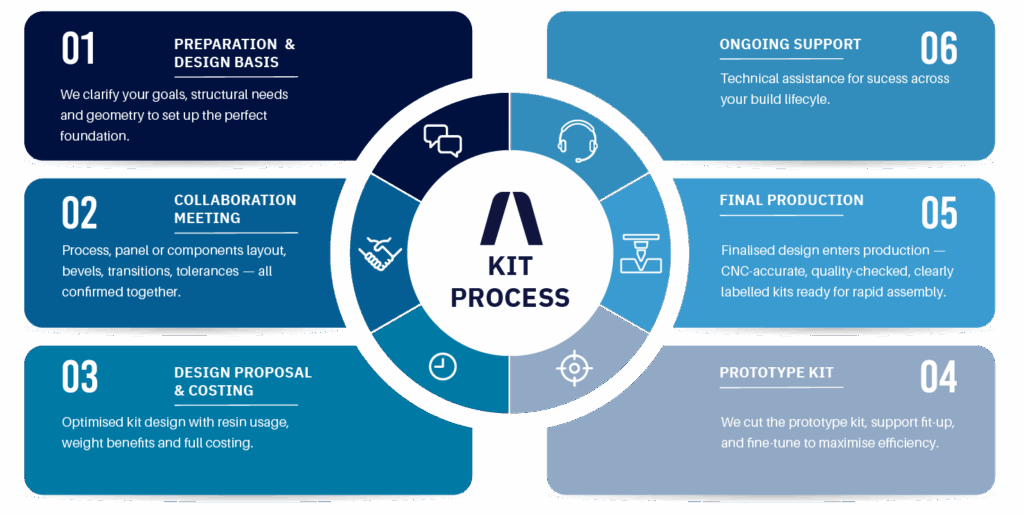
Before cutting begins, we work with you to define the critical success factors for your build.
This early alignment ensures the kit system is integrated correctly across the structure, reducing revisions and accelerating production.
Together, we review every factor that influences kit accuracy and build efficiency
Early collaboration dramatically reduces downstream changes — saving time, material, and labour.
Following the collaboration meeting, ATL develops and presents the full kit design proposal.
Your prototype DuFLEX® kit is manufactured in our Gold Coast facility.
Depending on complexity, an ATL representative can attend the fit-up to observe interface points, tolerances, and assembly flow. Any optimisation discovered during this stage is incorporated into the final design to ensure seamless production for subsequent kits.
After all refinements are complete, we lock in the final design and move into full production.
At ATL Composites, our commitment doesn’t end with delivery — it continues throughout your build.
Our professional team is dedicated to the continual advancement of composite technology and to supporting our customers in achieving optimal performance from their materials and processes.
From project inception to final assembly, ATL offers ongoing technical assistance to help you leverage the full structural advantages of the ATL Kits. Our experienced engineers and technicians are available by phone or email for guidance on product selection, handling, and application. For more complex builds, on-site construction and process support can also be arranged to ensure consistent, high-quality results and long-term durability.
Whether you’re building your first composite structure or refining established production workflows, ATL’s technical expertise and collaborative approach ensure your success across every stage of the build lifecycle.
ATL delivers precision-engineered, ready-to-assemble CNC composite kits that reduce labour, minimise waste, and improve build quality across every industry.
DuFLEX® Foam Panels are available with the complete Divinycell® structural foam core range:
Excellent stiffness-to-weight, good impact strength, low water absorption, reliable processing.
Improved elevated-temperature stability, chemical resistance and mechanical efficiency in demanding environments.
Exceptional stiffness density ratio for high-load structures; ideal where strength at minimal thickness is required.
Recyclable thermoplastic core option; cost-effective, tough, lightweight and process-friendly.
These core materials offer outstanding mechanical performance, fatigue resistance, thermal stability and bonding characteristics — making them ideal for advanced composite structures in commercial marine, defence platforms, specialist vehicles, high-load industrial modules and architectural systems.
DuFLEX® Foam Panels are used extensively across structural and semi-structural composite builds, delivering lightweight efficiency, reliable performance and accelerated construction.
Typical applications include:
Hulls, decks, superstructures and internal modules
Bulkheads, frames, stringers and composite reinforcements
Road and rail walls, floors, doors, roofs and partitions
Specialist transport panels, truck bodies and high-load modules
Long-span roofing, architectural cladding and façade systems
Industrial energy systems and infrastructure components
Defence vessels, mission modules and lightweight tactical platforms
Modular building systems, including prefab structural assemblies
Wet-area modules, shower pods and service cores
Structural vehicle flooring and wall systems for vans, trucks and service vehicles
From one-off custom builds to high-volume production, DuFLEX® delivers consistent quality, predictable structural performance and significant reductions in labour and build time.
DuFLEX® significantly reduces the labour, waste and technical complexity associated with traditional hand-laminated composite structures. By eliminating multiple laminating, coring and full vacuum-bagging steps, DuFLEX® panels enable:
Every DuFLEX® panel can be engineered to suit the project — laminate schedule, fibre orientation, resin system, and core density can all be tailored to meet precise structural requirements including:
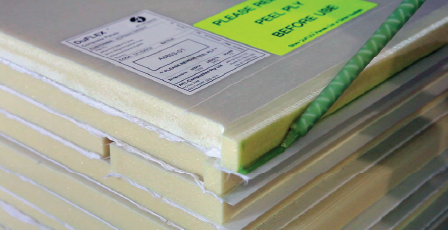
Panels are supplied with peel ply for a contamination-free bonding surface to accelerate secondary bonding and laminating.
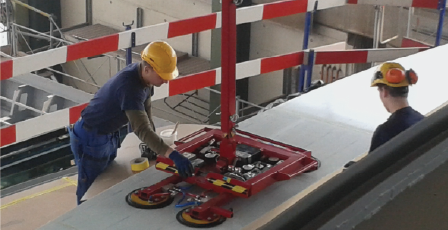
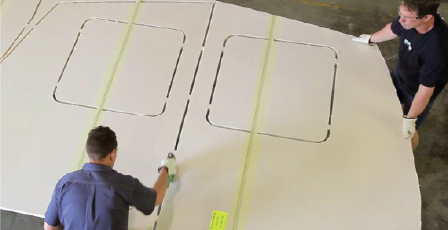
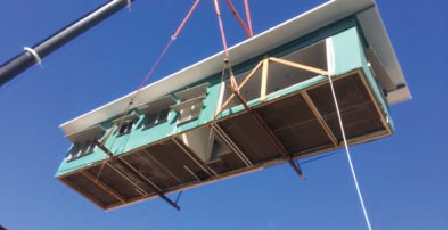
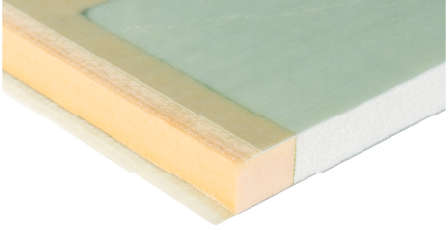
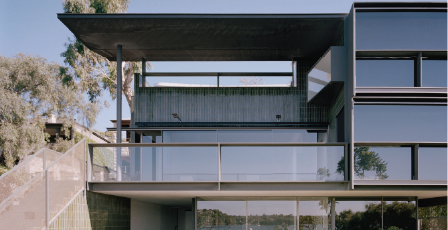
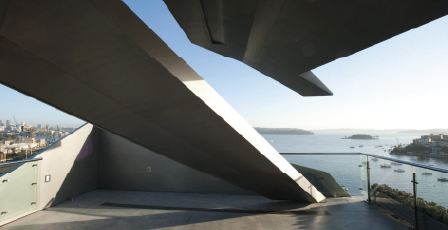
DuFLEX® panels can be supplied with precision-machined Z-Joints along the long edges to streamline installation. When bonded with a high-density epoxy adhesive, the Z-Joint provides:
Structural continuity
Smooth, fair surface transitions
Faster assembly with high alignment accuracy
This system behaves similarly to a weld in aluminum – modulus continuity is retained, ensuring stiffness performance across the joint.
ATL Composites provides complete CAD-to-CNC service for streamlined production.
We engineer every panel to the requirements of your project:
Custom laminate schedules
Tailored fibre orientation
Optimised core density selection
Structural design for stiffness, weight, fatigue & impact
Supplied flat, curved, pre-cut or fully CNC-kitted
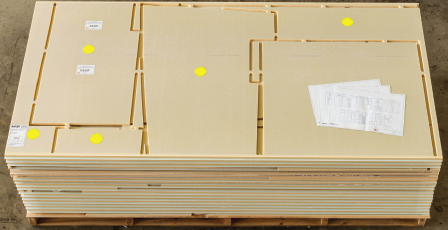
Send your drawings — we cut, label and prepare your full build kit for rapid, clean assembly.
DuFLEX® can be processed using standard composite tooling. For best results:
Use diamond-coated tools for edge quality and longevity
Aluminium-grade circular blades deliver clean cuts (with shorter life)
Peel ply enables fast, dust-free secondary bonding
Panels can be ripped, machined, drilled and edge-profiled with ease
DuFLEX® Panels can be supplied with calibrated hardwood veneers to create premium decorative surfaces ideal for:
• Marine cabinetry and luxury yacht interiors
• Architectural joinery
• Furniture and commercial fit-outs
• Interior modules and accommodation spaces
ATL also offers a wide selection of surface finishes to suit design, weight and performance requirements, including:
• Melamax laminates
• Laminex laminates
• Carbon, aramid and flax fibres
Fibreglass reinforcement within the core significantly increases flexural strength, enabling longer span lengths and improved load distribution — ideal in marine applications:
Coosa’s closed-cell polyurethane matrix absorbs 1.5% water or less, eliminating rot, fungal growth, swelling, delamination and long-term degradation.
This makes it a reliable replacement for plywood in environments exposed to:
Continuous moisture
Saltwater intrusion
Chemical or industrial washdown
Condensation or thermal cycling
At up to 60% lighter than equivalent plywood, Coosa significantly reduces structural weight, improving:
Vessel performance and fuel efficiency
Payload capacity
Handling and installation ergonomics
Structural fatigue resistance
Coosa will not absorb water, warp, expand or degrade, providing consistent geometry throughout the life of the structure — a critical requirement in marine, transport and defence applications.
Coosa is resistant to:
Rot
Mould and mildew
Insect infestation
Biological degradation
Its mechanical properties remain stable over decades of service.
When paired with DuFLEX®’s precision epoxy laminates and multiaxial E-glass or carbon fibre skins, Coosa creates a robust, lightweight and extremely stable composite panel suitable for demanding environments.
DuFLEX® Coosa Panels are used across structural and non-structural components where lightweight strength and moisture resistance are essential.
Transoms
Stringers and structural floors
Decking, hatch lids and bulkheads
Superstructure modules and reinforcements
Floors for emergency vehicles, buses & public transport
High-load truck/trailer flooring
Walls & body modules requiring water resistance
High-moisture-area wall panels
Freezer/refrigeration units
Amusement park structures and museum exhibits
Industrial cases, instrument housings & modular units
Lightweight moisture-resistant modules
Marine and amphibious vessel components
Structural elements where rot-free service life is essential
DuFLEX® Coosa Panels are purpose-designed to streamline fabrication while delivering superior mechanical performance. By eliminating hand laminating, coring and full vacuum-bagging steps, DuFLEX® provides:
Faster installation with reduced labour
Lower material waste and tooling costs
Controlled laminate quality and repeatability
Improved stiffness and impact performance
Reliable long-term results in moisture-rich environments
Every panel can be engineered and tailored to suit performance requirements including stiffness, load span, impact strength, fatigue life and weight reduction.
High flexural strength and stiffness
40–60% lighter than plywood
Closed-cell, moisture-resistant, rot-proof
Dimensionally stable under load
Mechanically reinforced with fibreglass
Excellent fastener retention and durability
Ideal for marine, transport, industrial and defence environments
DuFLEX® significantly reduces the labour, waste and technical complexity associated with traditional hand-laminated composite structures. By eliminating multiple laminating, coring and full vacuum-bagging steps, DuFLEX® panels enable:
Every DuFLEX® panel can be engineered to suit the project — laminate schedule, fibre orientation, resin system, and core density can all be tailored to meet precise structural requirements including:
Panels are supplied with peel ply for a contamination-free bonding surface to accelerate secondary bonding and laminating.
DuFLEX® Balsa Panels are purpose-designed to reduce construction time while maximising structural performance in high-load, long-life composite applications. By eliminating the need for hand laminating, coring and full vacuum bagging, DuFLEX® provides:
Every DuFLEX® Balsa panel can be engineered to meet project-specific requirements including impact loads, slamming forces, stiffness targets, weight budgets and long-term cyclic load resistance.
End-grain balsa delivers a unique balance of mechanical and functional properties:
Superior compressive strength and shear capability
High stiffness-to-weight performance for structural efficiency
Excellent resin absorption and adhesion
Inherently high impact and fatigue resistance
Good thermal and acoustic insulation
Reliable fire performance in composite panel systems
These characteristics make DuFLEX® Balsa an ideal solution for robust, lightweight structures exposed to demanding operating environments.
DuFLEX® Balsa Panels are used extensively in structural and semi-structural components across:
Marine
Hulls, decks, superstructures
Internal structures, soles, bulkheads and reinforcement modules
Transport — Road & Rail
Floors, walls, roof panels, front-end and side skirts
High-strength body panels and lightweight transport modules
Aerospace
Aircraft floors and galley structures
Cargo pallets and interior panels
Industrial / Construction
Tooling boards, tanks and process equipment
Composite moulds, concrete forming systems
Architectural fascia panels and structural modules
From one-off fabrications to high-volume production, DuFLEX® Balsa delivers predictable strength, repeatability and extended service life.
Exceptional mechanical performance
High stiffness and compressive strength
Proven durability and impact resistance
Strong resin adhesion and bonding reliability
Excellent fire, thermal and acoustic performance
Rapid, efficient installation through engineered panel construction
Available in engineered kits for consistent, time-efficient builds
Standard DuFLEX® Balsa Panels are laminated with high-performance epoxy resin reinforced with multiaxial E-glass or carbon fibre skins. Fibre orientation and ply schedule are tailored for:
Strength and stiffness requirements
Impact and fatigue considerations
Weight control
Span and load case optimisation
Defence and commercial qualification requirements
Panels are supplied with peel ply for a clean, contamination-free bonding surface, accelerating secondary bonding and laminating.
DuFLEX® Balsa Panels can be supplied with precision-machined Z-Joints to simplify alignment and joining of large panels. When bonded with high-density epoxy adhesive, Z-Joints provide:
Structural continuity across joined panels
Smooth fairing and consistent surface finish
Faster installation with reduced labour
Modulus continuity ensures stiffness is maintained across the joint — essential for hulls, decks and other high-load structures.
ATL Composites provides full CAD-to-CNC processing and can supply DuFLEX® Balsa Panels:
Flat, curved, cut-to-size or fully CNC-nested
With custom laminate schedules
With engineered fibre orientation
With core grade selection tailored to load cases
As complete assembly kits for rapid construction
Send your drawings — ATL engineers, cuts, labels and delivers panels ready for installation.
DuFLEX® can be processed using standard composite tooling. For best results:
Use diamond-coated tools for edge quality and longevity
Aluminium-grade circular blades deliver clean cuts (with shorter life)
Peel ply enables fast, dust-free secondary bonding
Panels can be ripped, machined, drilled and edge-profiled with ease
DuFLEX® significantly reduces the labour, waste and technical complexity associated with traditional hand-laminated composite structures. By eliminating multiple laminating, coring and full vacuum-bagging steps, DuFLEX® panels enable:
Every DuFLEX® panel can be engineered to suit the project — laminate schedule, fibre orientation, resin system, and core density can all be tailored to meet precise structural requirements including:
Panels are supplied with peel ply for a contamination-free bonding surface to accelerate secondary bonding and laminating.
The unidirectional fibre layup within each DuFLEX® Strip Panel allows the cut strips to:
wist, fair and conform smoothly to tight convex or concave geometry
Reduce the number of temporary frames required, improving build efficiency
Contribute up to 50% of the total hull laminate, enhancing structural performance
Maintain stability during hull turnover due to increased plank stiffness
By positioning a significant proportion of reinforcement during the strip-planking stage, builders reduce secondary laminating time and achieve a more efficient overall laminate structure.
ATL Composites engineering support is available to confirm strip suitability, evaluate curvature requirements and advise on scantlings for structural compliance.
DuFLEX® Strip Panels are ideal for fabricating compound surfaces such as:
Round-bilge and radius hulls
Flared topsides for sportfishing vessels
Sculpted superstructure elements
High-precision custom hull forms
Curved façade elements
Sculpted composite art or display structures
Complex moulded forms and freeform geometry
Any project requiring strips that bend, twist, fair and maintain laminate contribution will benefit from DuFLEX’s engineered strip-planking approach.
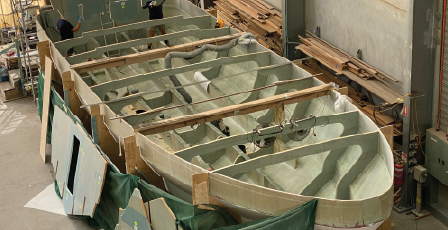
DuFLEX® Strips are edge-glued over temporary frames using methods similar to traditional timber strip-planking, but with major advantages:
Pre-laminated composite strips eliminate hand-layup at the planking stage
The unidirectional fibre delivers structural contribution from the outset
Strips are fair, stable and resistant to warping
The completed shape is laminated externally once the hull or form is stripped
This approach cuts substantial build time while elevating accuracy and structural quality.
ATL Composites can provide:
Pre-stripped panels manufactured to your specified widths
Engineering advice on strip curvature, stiffness and laminate schedules
Scantling recommendations tailored to hull shapes or architectural geometry
Integration with full DuFLEX® kits
Every Strip Panel can be engineered to align with project requirements for stiffness, strength, curvature and weight efficiency.
DuFLEX® significantly reduces the labour, waste and technical complexity associated with traditional hand-laminated composite structures. By eliminating multiple laminating, coring and full vacuum-bagging steps, DuFLEX® panels enable:
Every DuFLEX® panel can be engineered to suit the project — laminate schedule, fibre orientation, resin system, and core density can all be tailored to meet precise structural requirements including:
Panels are supplied with peel ply for a contamination-free bonding surface to accelerate secondary bonding and laminating.
Featherlight® Panels streamline interior fabrication by removing the need for traditional laminating, coring or vacuum bagging. Their clean, consistent surfaces and dimensional accuracy ensure fast, high-quality internal fit-outs.
Luxury and commercial marine interiors
Defence accommodation modules and non-structural fit-outs
Caravans, RVs and lightweight transport interiors
Architectural ceilings, partitions and decorative wall systems
Industrial pods, modules and enclosures
Featherlight® Panels are produced in a controlled environment with stringent quality assurance at every stage. Panels are co-cured in a hot press, consolidating the laminate to provide:
High fibre volume fraction
Reduced resin-rich zones
Consistent laminate thickness
Strong yet lightweight skins
Clean peel ply surfaces for contamination-free bonding
The result is a panel system offering reliability, stability and excellent finishing characteristics.
Featherlight® Panels are available with a range of lightweight core materials selected for stiffness, acoustic comfort and insulation:
Low-density cross-linked PVC foam
PET structural foam
Select-grade end-grain balsa
These cores deliver superior thermal and acoustic insulation, making Featherlight® ideal for comfort-driven interior environments such as yachts, commercial vessels, defence accommodation modules, transport vehicles and specialist architectural spaces.
Curved surfaces are achieved simply by kerf-cutting the inside skin, allowing Featherlight® Panels to bend cleanly without the need for moulds or complex tooling. Simple jigs are sufficient to form:
Corners
Radiused surfaces
Compound curves
Architectural interior features
This dramatically speeds up fit-out preparation and expands design flexibility.
Featherlight® Panels can be supplied with calibrated hardwood veneers to create premium decorative surfaces ideal for:
• Marine cabinetry and luxury yacht interiors
• Architectural joinery
• Furniture and commercial fit-outs
• Interior modules and accommodation spaces
ATL also offers a wide selection of surface finishes to suit design, weight and performance requirements, including:
• Melamax laminates
• Laminex laminates
• Carbon, aramid and flax fibres
• Aluminum skins
• Vail fabrics
• Peel ply finishes
• Timber veneers
Featherlight® Panels can include Z-Joints along the long edges for rapid joining and alignment in modular interior installations, reducing onsite fabrication time and ensuring smooth, fair transitions between sections.
ATL Composites offers complete engineering and fabrication support including:
Custom thicknesses and veneer options
CNC cutting, routing and nesting
Pre-cut and fully kitted interior modules
Guidance on product selection for marine, defence and commercial interiors
Panels can be supplied flat, curved, trimmed or fully pre-fitted as part of a complete ATL fit-out kit.
Featherlight® Panels are ideal for non-structural interior components including:
Marine cabinetry, partitions, soles, floors & interior modules
Lightweight transport walls, ceiling panels & partitions
Architectural room dividers, decorative features & acoustic panels
Defence crew spaces and accommodation modules
Industrial pods, modules and insulated enclosures
Featherlight® complements the DuFLEX® structural range, creating a complete composite interior and structural build system.
Bluewater 26 is the most economical option in the Bluewater series, offering reliable long-term performance where weight and durability both matter.
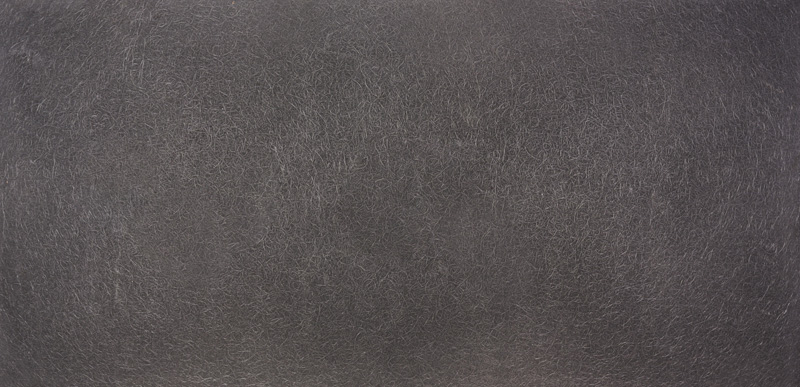
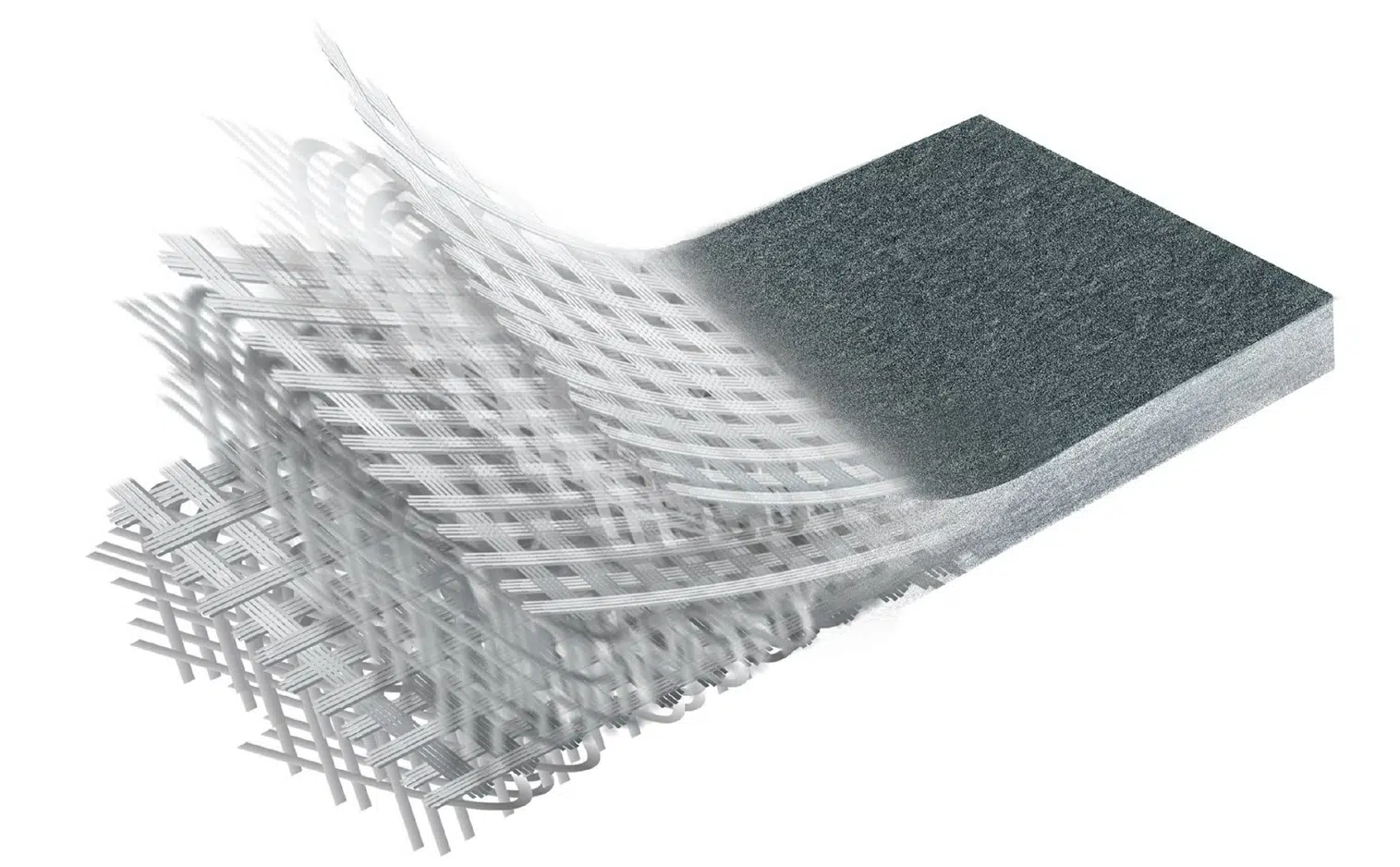
For more than 25 years, Coosa Composites has delivered advanced composite panel solutions trusted across marine, transport, industrial and recreational markets. Manufactured from high-density, closed-cell polyurethane foam reinforced with continuous-strand fibreglass, Coosa panels offer a strong, dependable alternative to plywood and other conventional core materials.
The fibre-reinforced structure delivers exceptional durability, impact resistance and long-term stability—performing reliably in harsh, wet or highly loaded environments where traditional materials often fail. This unique construction gives Coosa significant advantages over honeycomb, unreinforced foams, timber, and other sandwich core options, providing consistent performance, lighter weight and reduced maintenance for demanding composite builds.
Transoms
Stringers and structural floors
Decks, hatch lids and bulkheads
Engine covers and other high-load structures
Floors for emergency vehicles, buses and specialised trucks
Sub-flooring and structural linings in trailers and coaches
Doors, bulkheads and heavy-duty interior modules
Exterior Cladding
High-load wall and floor panels
Architectural design element construction
Equipment housings and trench covers
Structural elements in high-moisture or wash-down areas
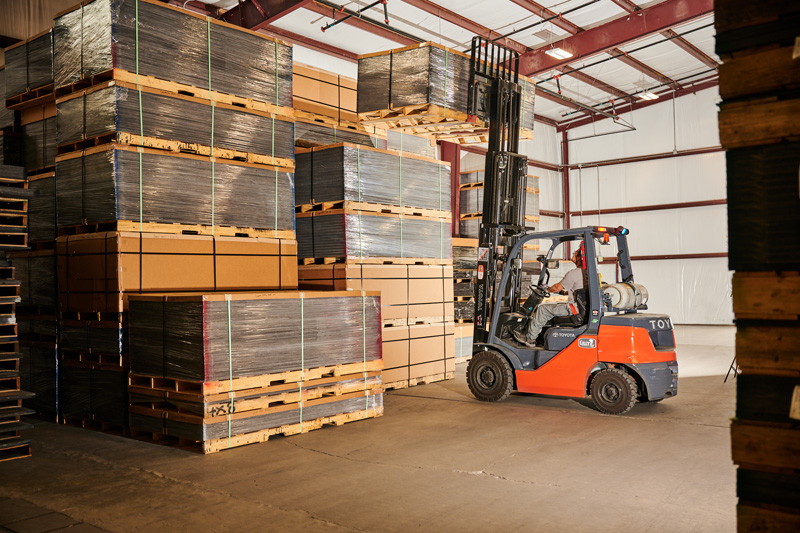
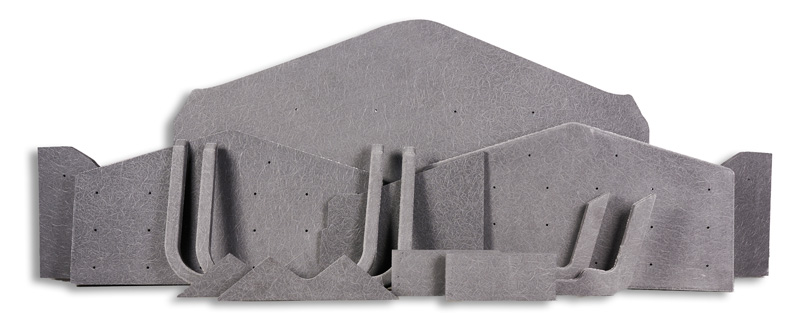
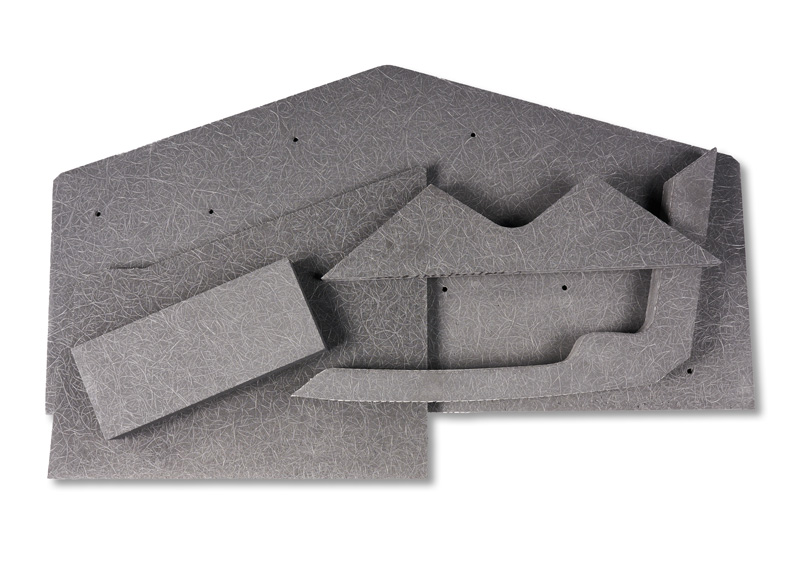
ATL Composites offers complete supply, processing and engineering support for Coosa Bluewater 26, ensuring builders receive panels in the most efficient and project-ready format. Depending on project scale and requirements, ATL can provide:
Full Boards
Stocked in a range of thicknesses and ready for direct fabrication or lamination.
Custom Pre-Cut Parts & Inserts
Precision-cut components tailored to your drawings, reducing labour time and ensuring accuracy for repeat builds.
CNC Nested Kits
Optimised sheet layouts to maximise material yield, reduce waste and streamline installation. Kits arrive labelled and sequenced for efficient assembly.
Integration within the DuFLEX® System
Bluewater 20 can be supplied as a core option within DuFLEX® composite panels for projects requiring laminated skins, engineered stiffness or large-format panel construction.
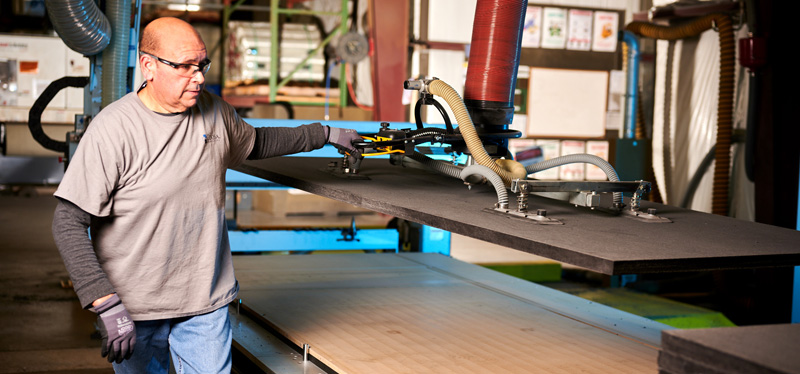
ATL accepts project files in DXF, DWG and PDF formats, enabling seamless CAD-to-CNC workflows and ensuring consistent, repeatable part quality for OEMs, commercial builders and custom fabricators. Panels are 24 kg for a 1220 × 2440 × 19 mm panel, significantly lighter than plywood.
NO-ROT COMPOSITE PANELS FOR THE MARINE INDUSTRY
For 25 years, Coosa panels have been in the marine product market. The exposure to moisture a boat has to withstand (fresh and/or salt water) combined with the rigorous marine environment means only the best structural products will do. For boat construction or repair, Coosa is the premier product for replacing marine-grade plywood or other wood cores. With over 150,000 boats on the water containing Coosa’s marine boards, our materials have stood the test of time, exposure, and abuse.
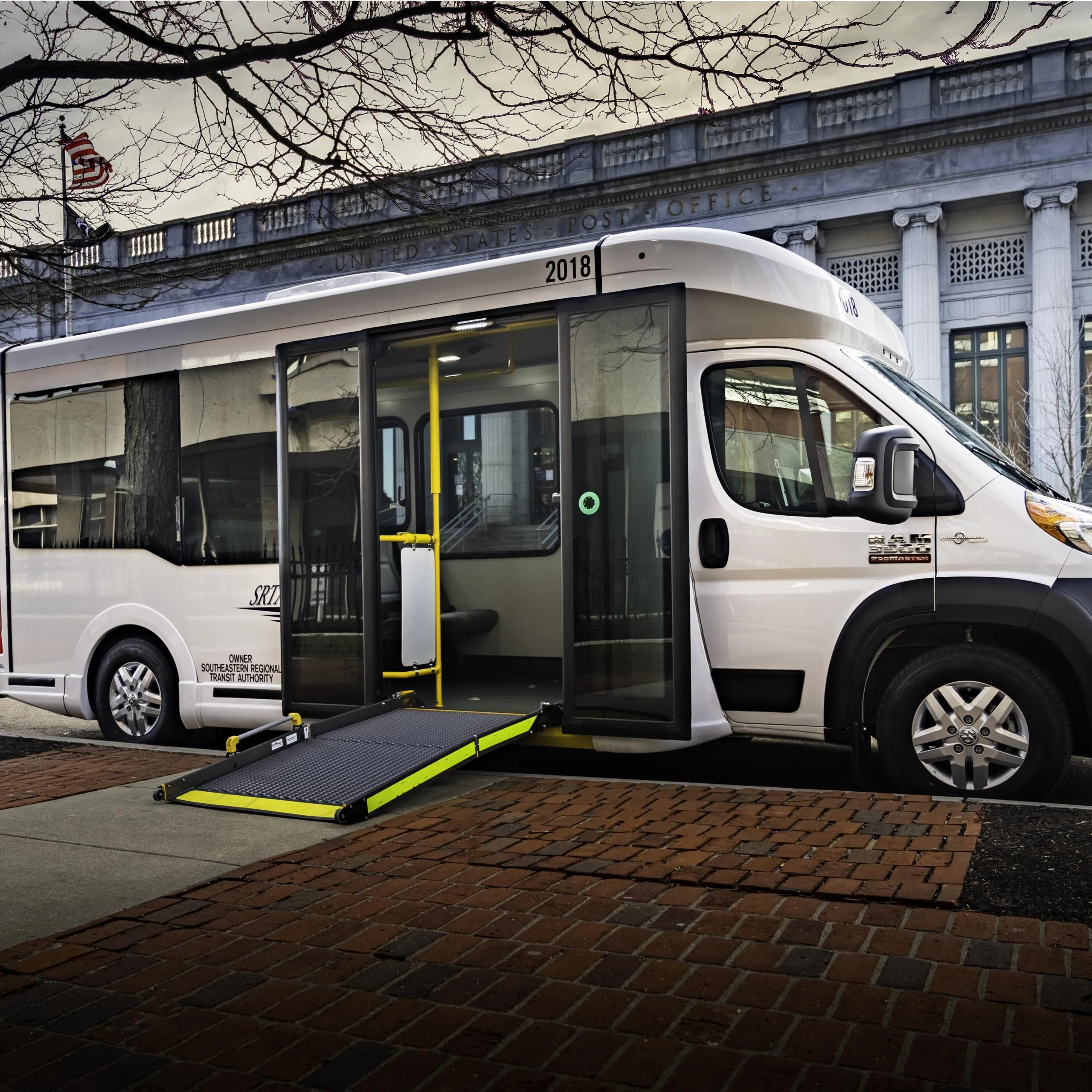
Composite panel technology is transforming modern vehicle construction, delivering lighter, stronger, and more durable alternatives to traditional timber and standard sandwich cores. Coosa composite panels — manufactured from high-density, closed-cell polyurethane foam reinforced with continuous fibreglass — are engineered to meet the structural and environmental demands of commercial transport platforms. Offering excellent compressive and flexural strength, superior fastener retention, and complete resistance to water absorption, rot, and mould, Coosa is widely specified across buses, coaches, truck bodies, RVs, emergency vehicles, and service fleets for floors, walls, ceilings, bulkheads, and interior fit-outs. Compared to conventional materials, Coosa panels help reduce overall vehicle weight, improve fuel efficiency, lower maintenance requirements, minimise downtime, and extend asset service life, with fire-rated options further enhancing passenger safety and compliance in next-generation vehicle builds.
Recreational vehicle design has evolved rapidly in recent years, driven by the rise of off-grid travel, remote touring, and full-time nomadic lifestyles. Modern RV builds demand lighter structures for improved fuel efficiency, without compromising durability or long-term reliability in harsh environments. Coosa composite panels provide an advanced solution — manufactured from high-density, closed-cell polyurethane foam reinforced with continuous fibreglass, they function as both a structural core and integrated water barrier. This composite construction delivers exceptional strength-to-weight performance, resists water ingress, rot, and mould, and reduces ongoing maintenance requirements, making Coosa an ideal material choice for flooring, walls, cabinetry, and structural fit-outs across next-generation RV and motorhome platforms.
Composite panels are increasingly specified across architectural and infrastructure projects as designers seek lightweight, durable alternatives to traditional building materials. Coosa composite panels are engineered to meet demanding structural and environmental requirements, offering high strength-to-weight performance alongside complete resistance to water ingress, rot, and infestation, with excellent dimensional stability in both interior and exterior applications. Available in a range of densities to suit load and span requirements, Coosa panels provide a versatile solution for façades, fit-outs, joinery, and structural elements. Compared to plywood and conventional substrates, fibre-reinforced composite panels are easier to machine and install, accelerating construction timelines while reducing long-term maintenance and lifecycle costs — enabling architects and builders to deliver innovative, high-performance structures without compromising durability or budget control.
Coosa composite panels are engineered to meet the demanding performance requirements of industrial and commercial environments, delivering a durable alternative to traditional timber and standard core materials. Manufactured from high-density, fibreglass-reinforced polyurethane foam, Coosa panels provide exceptional resistance to water ingress, rot, and infestation while maintaining long-term dimensional stability across a range of densities to suit both structural and lightweight applications. In industrial settings where moisture, flooding, or harsh operating conditions are present, Coosa panels outperform conventional substrates by reducing maintenance, eliminating decomposition-related failure risks, and improving workplace safety by preventing warping and surface degradation. Their lighter weight also benefits overhead and mobile structures, while fire-rated options provide an added layer of protection where compliance and safety are critical — making Coosa a versatile solution across infrastructure, processing facilities, transportable buildings, and heavy-duty industrial fit-outs.
Coosa composite panels are engineered for specialised applications where conventional materials cannot meet structural or environmental demands. Manufactured from high-density, fibreglass-reinforced polyurethane foam, they deliver exceptional strength-to-weight performance with complete resistance to water ingress, rot, and corrosion. Ideal for marine refits, defence platforms, modular infrastructure, medical fit-outs, and mobile service units, Coosa panels provide a stable, machinable substrate capable of supporting high hardware loads while maintaining long-term dimensional integrity — offering a versatile composite solution for projects requiring enhanced durability and performance.
Contact the ATL Composites team to discuss your project requirements and specify the right Coosa panel solution.
Bluewater 20 is the most economical option in the Bluewater series, offering reliable long-term performance where weight and durability both matter.
For more than 25 years, Coosa Composites has delivered advanced composite panel solutions trusted across marine, transport, industrial and recreational markets. Manufactured from high-density, closed-cell polyurethane foam reinforced with continuous-strand fibreglass, Coosa panels offer a strong, dependable alternative to plywood and other conventional core materials.
The fibre-reinforced structure delivers exceptional durability, impact resistance and long-term stability—performing reliably in harsh, wet or highly loaded environments where traditional materials often fail. This unique construction gives Coosa significant advantages over honeycomb, unreinforced foams, timber, and other sandwich core options, providing consistent performance, lighter weight and reduced maintenance for demanding composite builds.
Transoms
Stringers and structural floors
Decks, hatch lids and bulkheads
Engine covers and other high-load structures
Floors for emergency vehicles, buses and specialised trucks
Sub-flooring and structural linings in trailers and coaches
Doors, bulkheads and heavy-duty interior modules
Exterior Cladding
High-load wall and floor panels
Equipment housings and trench covers
Structural elements in high-moisture or washdown areas
ATL Composites offers complete supply, processing and engineering support for Coosa Bluewater 20, ensuring builders receive panels in the most efficient and project-ready format. Depending on project scale and requirements, ATL can provide:
Full Boards
Stocked in a range of thicknesses and ready for direct fabrication or lamination.
Custom Pre-Cut Parts & Inserts
Precision-cut components tailored to your drawings, reducing labour time and ensuring accuracy for repeat builds.
CNC Nested Kits
Optimised sheet layouts to maximise material yield, reduce waste and streamline installation. Kits arrive labelled and sequenced for efficient assembly.
Integration within the DuFLEX® System
Bluewater 20 can be supplied as a core option within DuFLEX® composite panels for projects requiring laminated skins, engineered stiffness or large-format panel construction.
ATL accepts project files in DXF, DWG and PDF formats, enabling seamless CAD-to-CNC workflows and ensuring consistent, repeatable part quality for OEMs, commercial builders and custom fabricators.
NO-ROT COMPOSITE PANELS FOR THE MARINE INDUSTRY
For 25 years, Coosa panels have been in the marine product market. The exposure to moisture a boat has to withstand (fresh and/or salt water) combined with the rigorous marine environment means only the best structural products will do. For boat construction or repair, Coosa is the premier product for replacing marine-grade plywood or other wood cores. With over 150,000 boats on the water containing Coosa’s marine boards, our materials have stood the test of time, exposure, and abuse.
Composite panel technology is transforming modern vehicle construction, delivering lighter, stronger, and more durable alternatives to traditional timber and standard sandwich cores. Coosa composite panels — manufactured from high-density, closed-cell polyurethane foam reinforced with continuous fibreglass — are engineered to meet the structural and environmental demands of commercial transport platforms. Offering excellent compressive and flexural strength, superior fastener retention, and complete resistance to water absorption, rot, and mould, Coosa is widely specified across buses, coaches, truck bodies, RVs, emergency vehicles, and service fleets for floors, walls, ceilings, bulkheads, and interior fit-outs. Compared to conventional materials, Coosa panels help reduce overall vehicle weight, improve fuel efficiency, lower maintenance requirements, minimise downtime, and extend asset service life, with fire-rated options further enhancing passenger safety and compliance in next-generation vehicle builds.
Recreational vehicle design has evolved rapidly in recent years, driven by the rise of off-grid travel, remote touring, and full-time nomadic lifestyles. Modern RV builds demand lighter structures for improved fuel efficiency, without compromising durability or long-term reliability in harsh environments. Coosa composite panels provide an advanced solution — manufactured from high-density, closed-cell polyurethane foam reinforced with continuous fibreglass, they function as both a structural core and integrated water barrier. This composite construction delivers exceptional strength-to-weight performance, resists water ingress, rot, and mould, and reduces ongoing maintenance requirements, making Coosa an ideal material choice for flooring, walls, cabinetry, and structural fit-outs across next-generation RV and motorhome platforms.
Composite panels are increasingly specified across architectural and infrastructure projects as designers seek lightweight, durable alternatives to traditional building materials. Coosa composite panels are engineered to meet demanding structural and environmental requirements, offering high strength-to-weight performance alongside complete resistance to water ingress, rot, and infestation, with excellent dimensional stability in both interior and exterior applications. Available in a range of densities to suit load and span requirements, Coosa panels provide a versatile solution for façades, fit-outs, joinery, and structural elements. Compared to plywood and conventional substrates, fibre-reinforced composite panels are easier to machine and install, accelerating construction timelines while reducing long-term maintenance and lifecycle costs — enabling architects and builders to deliver innovative, high-performance structures without compromising durability or budget control.
Coosa composite panels are engineered to meet the demanding performance requirements of industrial and commercial environments, delivering a durable alternative to traditional timber and standard core materials. Manufactured from high-density, fibreglass-reinforced polyurethane foam, Coosa panels provide exceptional resistance to water ingress, rot, and infestation while maintaining long-term dimensional stability across a range of densities to suit both structural and lightweight applications. In industrial settings where moisture, flooding, or harsh operating conditions are present, Coosa panels outperform conventional substrates by reducing maintenance, eliminating decomposition-related failure risks, and improving workplace safety by preventing warping and surface degradation. Their lighter weight also benefits overhead and mobile structures, while fire-rated options provide an added layer of protection where compliance and safety are critical — making Coosa a versatile solution across infrastructure, processing facilities, transportable buildings, and heavy-duty industrial fit-outs.
Coosa composite panels are engineered for specialised applications where conventional materials cannot meet structural or environmental demands. Manufactured from high-density, fibreglass-reinforced polyurethane foam, they deliver exceptional strength-to-weight performance with complete resistance to water ingress, rot, and corrosion. Ideal for marine refits, defence platforms, modular infrastructure, medical fit-outs, and mobile service units, Coosa panels provide a stable, machinable substrate capable of supporting high hardware loads while maintaining long-term dimensional integrity — offering a versatile composite solution for projects requiring enhanced durability and performance.
Contact the ATL Composites team to discuss your project requirements and specify the right Coosa panel solution.
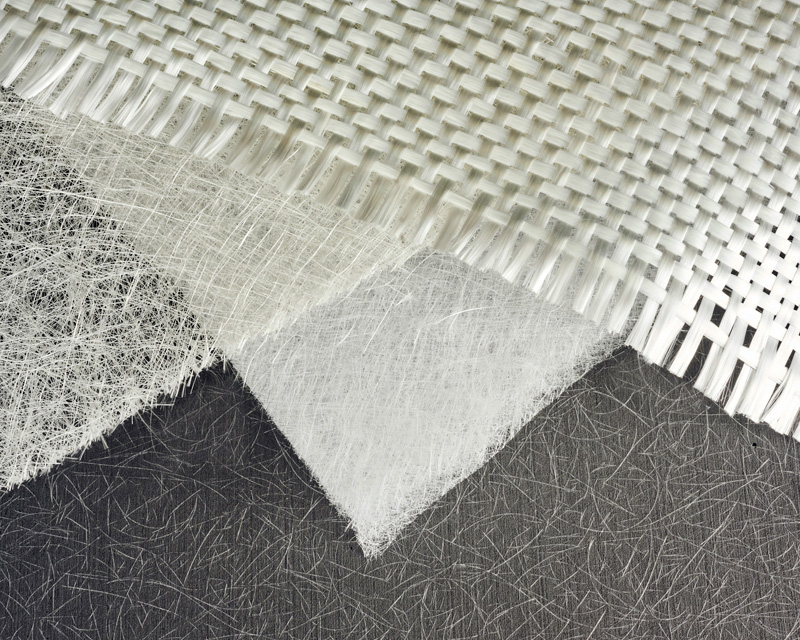
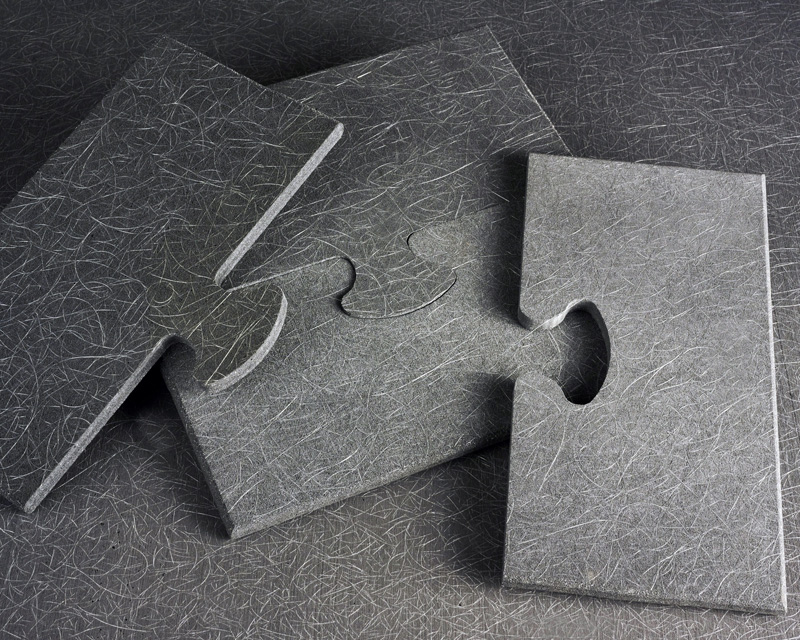
FRP Plates are flat, precision-laminated composite sheets manufactured using multi-axial E-glass fibres oriented to maximise load carrying, rigidity and stress distribution. Laminates are bonded with ATL epoxy technology to ensure compatibility with Kinetix® laminating systems, DuFLEX® structural cores, and Techniglue® structural adhesives, creating a fully integrated composite solution.
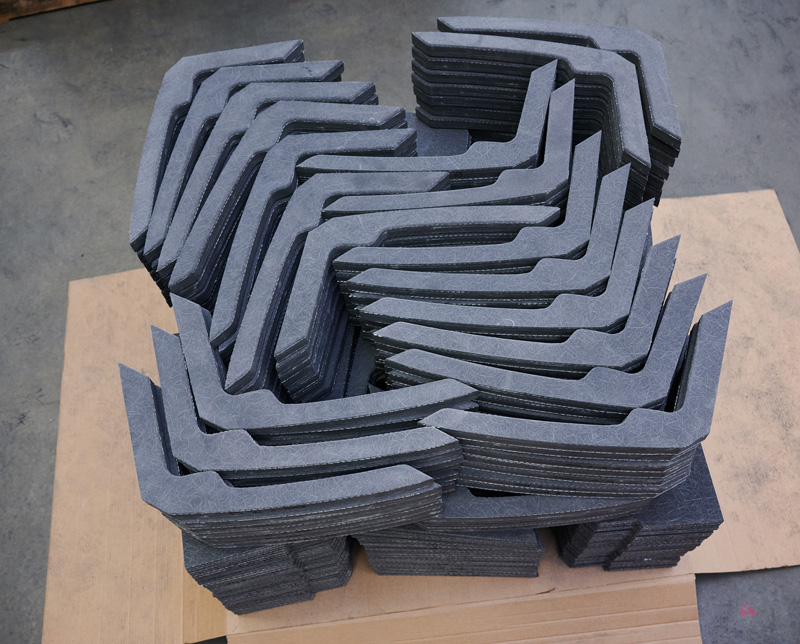
Using these plates as a base material, ATL also produces custom FRP Components, machined or profiled to suit specific project requirements. With advanced 5-axis CNC machining, components can be supplied in a huge variety of shapes, sizes and assembly-ready formats.
Right-angle joints between DuFLEX® panels
Structural corner reinforcement in hulls, decks and modules
Internal framing and stiffeners in marine and industrial structures
Overhead and confined-area bonding where wet lay-up is impractical
Curved bases and partitions (kerfed angles)
Structural joints in modular, transport and architectural systems
FRP Bonding Angles are manufactured using the same resin technology that underpins ATL’s DuFLEX® panels, Kinetix® laminating systems and Techniglue® structural adhesives. This ensures:
Excellent chemical compatibility between angles, core and laminates
High bond strength when used with ATL epoxy paste adhesives
Consistent cure behaviour and long-term durability
A fully integrated composite system from core to coating
0.5 mm – 75 mm
Optimised to cover light-duty components through to heavy structural reinforcement applications.
Width: 0.5 – 1200 mm
Length: 0.5 – 3600 mm
Custom oversize plates or joined lengths are available upon request.
Multi-axial E-glass
Laminated with ATL high-performance epoxy resin
Consistent, precision-cured laminates
ATL provides full 5-axis CNC machining, enabling the creation of highly detailed, complex FRP components with precision tolerances.
Bevels, chamfers and countersinks
Precision holes and cut-outs
3D contoured geometry
Structural inserts and assembly-ready components
Repeated production runs with tight tolerance control
Every component is produced from the same high-quality FRP laminate system, ensuring mechanical reliability and perfect compatibility with ATL adhesive and laminating products.
FRP Plates and Components are fully compatible with ATL’s complete composite system:
DuFLEX® – structural panels
Kinetix® – laminating epoxies
Techniglue® – structural adhesives
Technirez® – tooling & specialty systems
This ensures predictable performance from core-to-skin, reliable secondary bonding, and long-term stability across all composite assemblies.
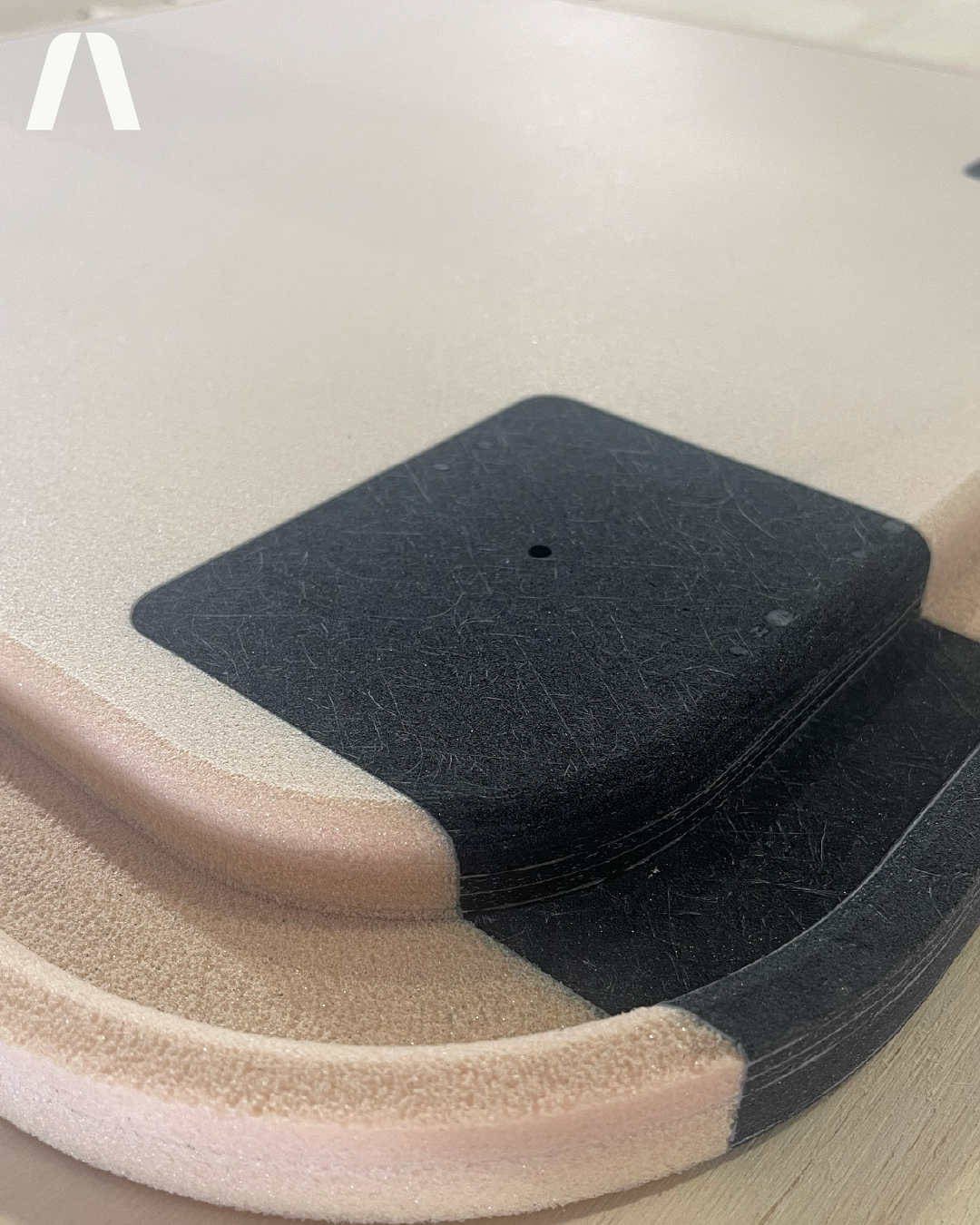
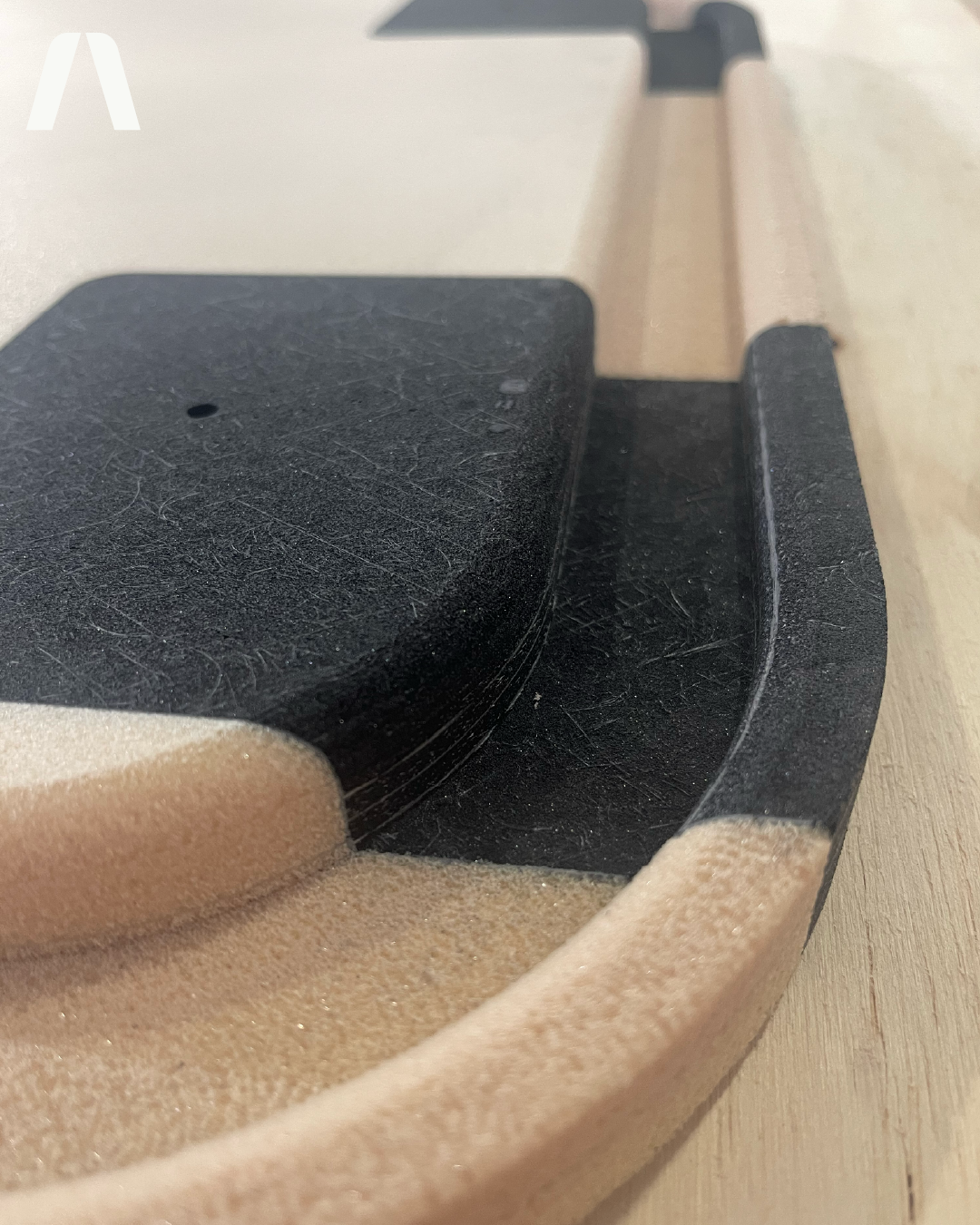
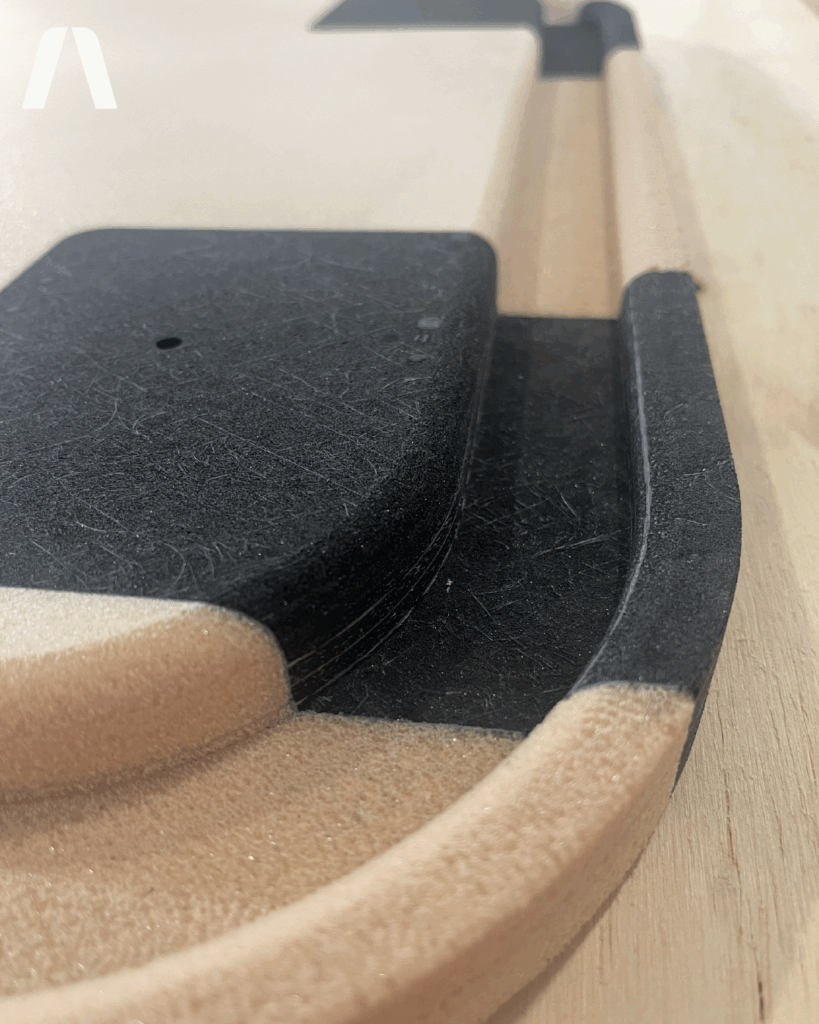
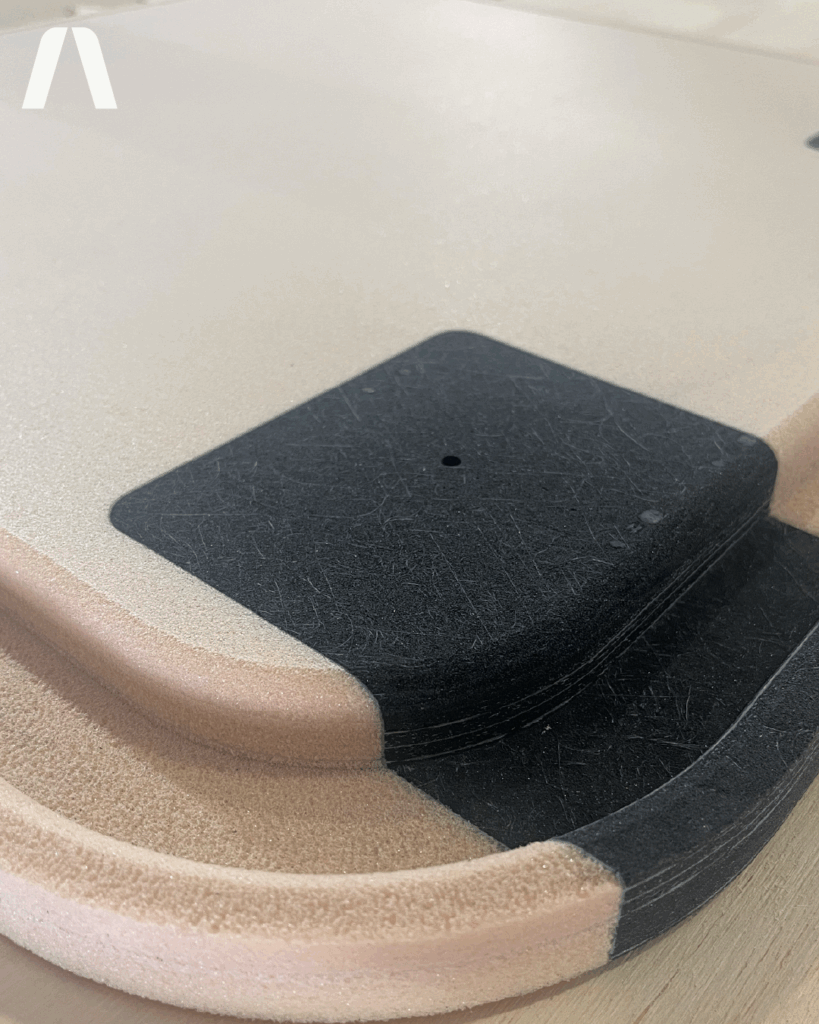
High Density Inserts create reinforced regions within a composite panel that are engineered specifically for surface screw retention, tapping and through-bolting. These areas significantly increase the local compressive and tensile strength of the panel, eliminating risks such as:
screw pull-out
local buckling around fasteners
compression failure under clamping loads
crushing of low-density cores
inconsistent fastener performance
By incorporating inserts during panel manufacture, ATL ensures structurally reliable fixing points that perform consistently throughout the life of the structure.
Traditional composite construction often requires additional steps such as cutting out low-density core, backfilling with putty, bonding in blocks, or laminating extra reinforcement to create a strong fixing area.
High Density Inserts remove this entire process.
Inserts provide built-in attachment zones, allowing fabricators to securely mount:
This approach results in:
Reduced labour — no on-site de-coring, filling or re-laminating
Consistent engineering performance — factory-controlled density, thickness and placement
Higher structural reliability — designed and integrated during panel production
Cleaner, faster assembly — ready-to-use fixing zones in every supplied panel
High Density Inserts are also used as perimeter edging, producing a more robust, impact-resistant panel edge. This eliminates the need for post-production reinforcement and prevents edge crushing or fastener breakout in service.
With inserts integrated during manufacture rather than added on-site, fabricators benefit from:
Optimised strength-to-weight performance
Reduced labour and fabrication time
Lower risk of installation errors
Improved repeatability across production runs
ATL can also supply CNC-machined 2D parts with inserts configured to any level of complexity. Nesting software is used to maximise sheet utilisation and minimise waste.
All DuFLEX® and Featherlight® panels incorporating High Density Inserts are fully compatible with a range of resin systems for secondary bonding, including:
Epoxy
Vinyl Ester
Polyester
Polyurethane (PU)
This ensures seamless integration with ATL’s broader composite ecosystem.

Select your desired option below to share a direct link to this page.
Your friends or family will thank you later.