

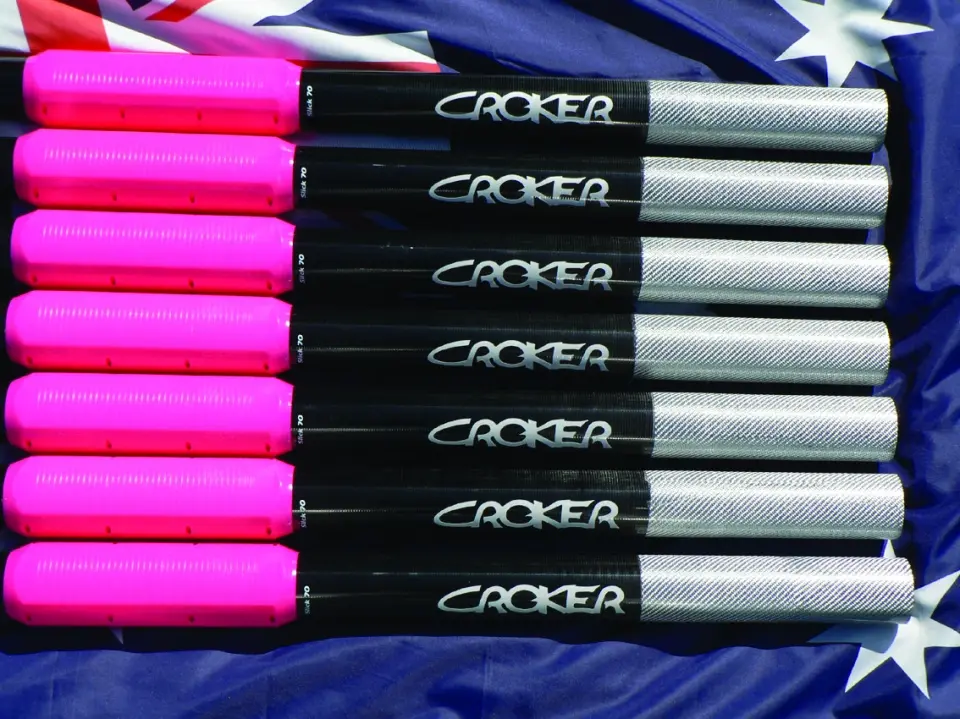
Croker Oars Pty. Ltd, based in Taree, NSW, is the second largest manufacturer of carbon racing oars in the world. Originally the oars were made from laminated spruce, and composite oars were first made in 1990. Today, a work force of 20 makes about 15,000 oars a year and exports over 70% to all corners of the world.
The oar shafts are made from epoxy pre-preg, using various layers of carbon and fibreglass fabric. The blades are made using a VARTM process, developed in house with the assistance of ATL Composites.
The basic parameters of time, temperature, pressure and vacuum are controlled by PLC’s to ensure consistency with each shot. With these parameters controlled, it is possible to fine tune the resin system with regard to gel time and cure time.
The moulds are normally gel-coated, fibre pre-form loaded, and closed. The tools are then shot with KINETIX® R246 resin and cured.
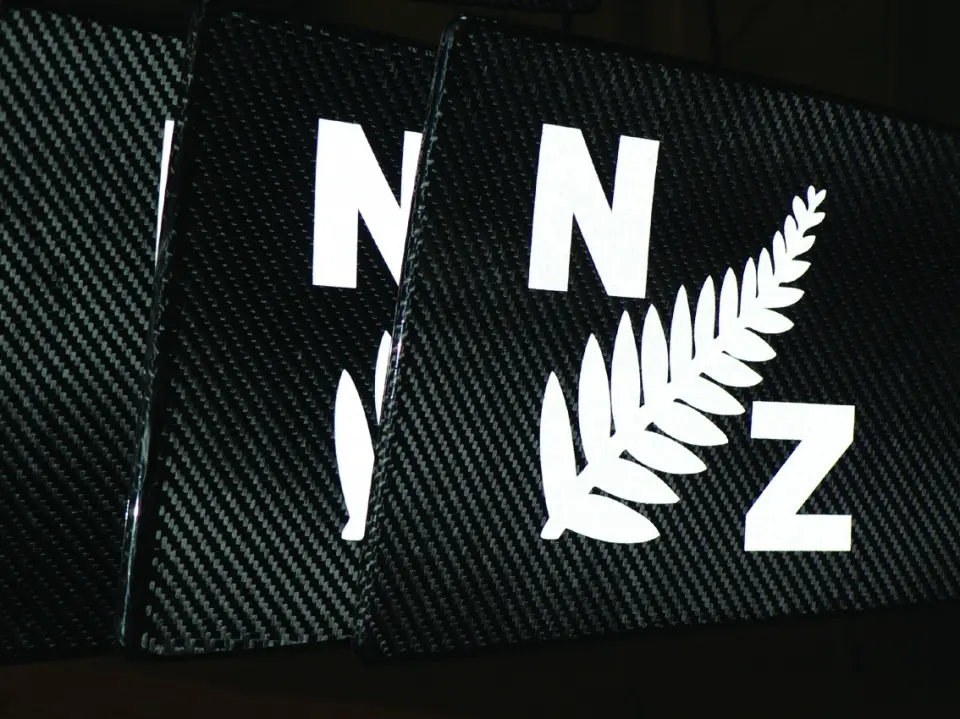
Recently an order was completed for the NZ national team, who not surprisingly use black blades with a silver fern attached. These blades were shot using KINETIX R104 UV resistant laminating resin and will not require clear coating.

Eco Casa explores how innovative composite materials and a frameless construction approach can reduce weight, waste, and build time—delivering a high-performance, sustainable home without compromising strength, durability, or design freedom.
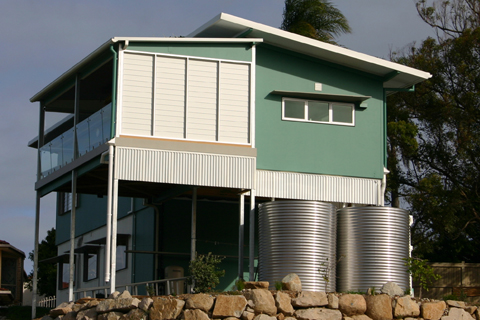
Brisbane boat builder Ian Wright’s dream home may be small in size but it is huge in vision for the future of composites in the construction and housing marketplace.
The house marks the launch of a ‘green’ composite building material and assembly method developed by Ian’s company Norman R. Wright and Sons in conjunction with Gold Coast supplier ATL Composites.
Originally looking for a sustainable product to add “green” boats to his range of high performance commercial and pleasure craft, Ian had the idea that the material would also be ideal for use in the housing industry.
Eighteen months in development, drawing on the expertise of the composite engineering and chemical professionals in both companies, the revolutionary building panel material and frameless assembly system went through a long process of engineering analysis and certification before the plans for Ian’s dream home were approved.
A boat builder constructed the two sections (the 2m x 4m stairwell and the 18m x 4m house) and installed all fittings in the Norman R Wright factory.
“After earth works and the foundation posts and stairwell were in place we transported the house to the site on a boat trailer and then a crane lifted it into place,” says Ian.
The whole house weighs less than nine tonnes and is so stiff it only needed two slings for the lift.
Perched on top of a windswept hill in Wynnum North overlooking the ocean, “Eco Casa” is fitted out with the same meticulous attention to detail and finish as Ian’s boats, using sustainable, renewable or recycled materials throughout.
At less than eight squares it is small by many people’s standards but Ian says the open plan design is spacious for his needs especially compared to living on a boat! He has big plans for the new building material Eco Casa showcases.
“This is a very different move for our company,” says Ian. “Wright and Sons has grown organically over the past century based on a very conservative business model.
“I originally wanted a product to build green boats, but then I thought it would be ideal as a building material. It’s revolutionary, I don’t believe there’s another eco-product like it.
“It can be used to build very strong buildings, very quickly. It’s waterproof, has better weathering capabilities than timber and it will be cheaper than conventional building materials.
“The high wind loading of the structure, its light weight and the highly efficient insulation of the 70mm thick outer, ease of assembly and installation make it attractive for a wide range of applications both here and overseas from emergency to permanent housing to multi-storey solutions for environmentally conscious European cities under pressure to increase housing density,” he says.
Director Nicholas Cossich said ATL Composites has considerable experience in developing products for the building industry and in composite products derived from natural, sustainable sources. ATL chemists had a strong personal interest in the latter, however there was little demand from fabricators.
“It takes someone like Ian, who has the foresight, and the courage of his convictions to bring a new product and a project like this to reality,” said Mr Cossich.
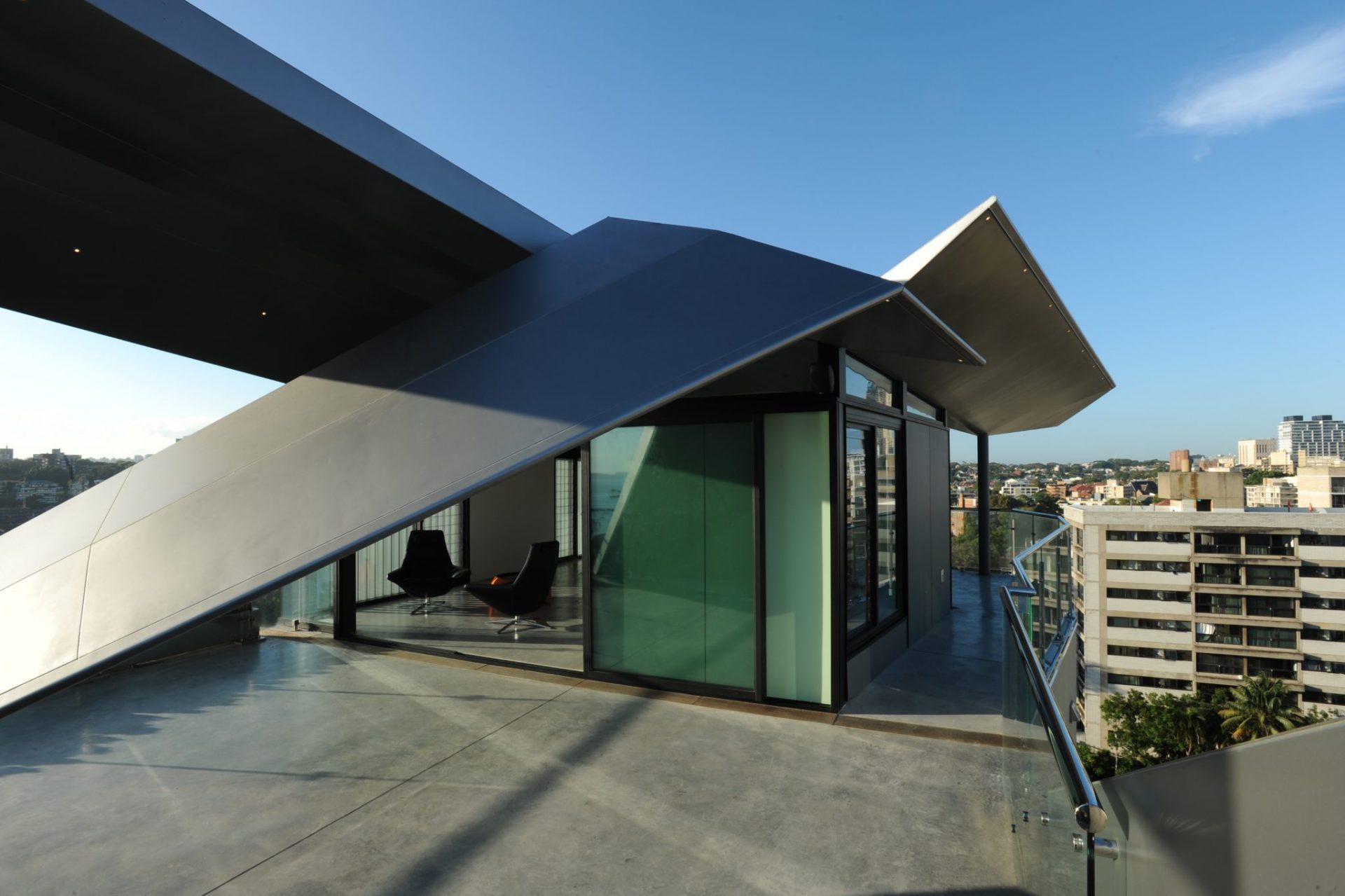
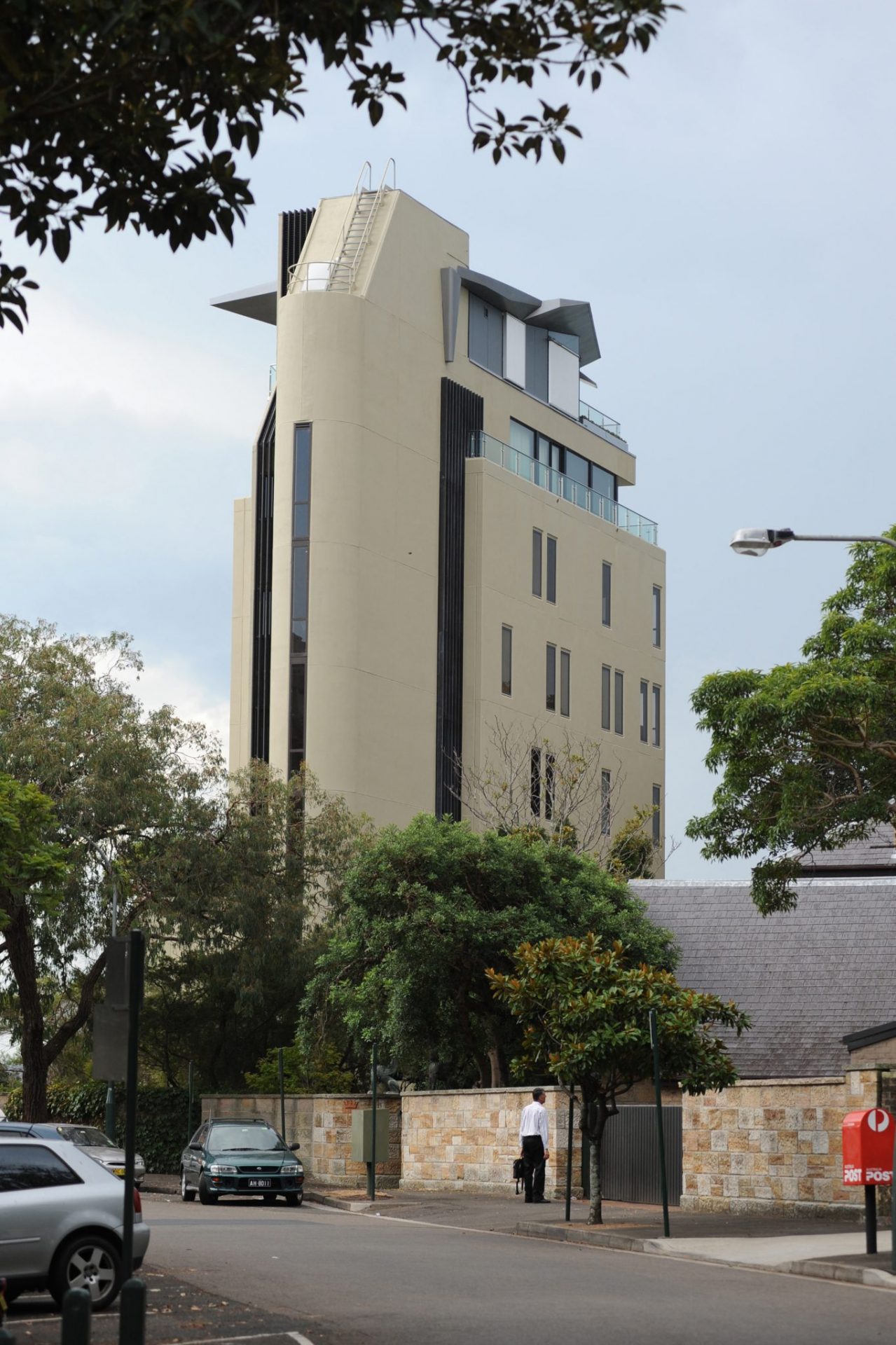
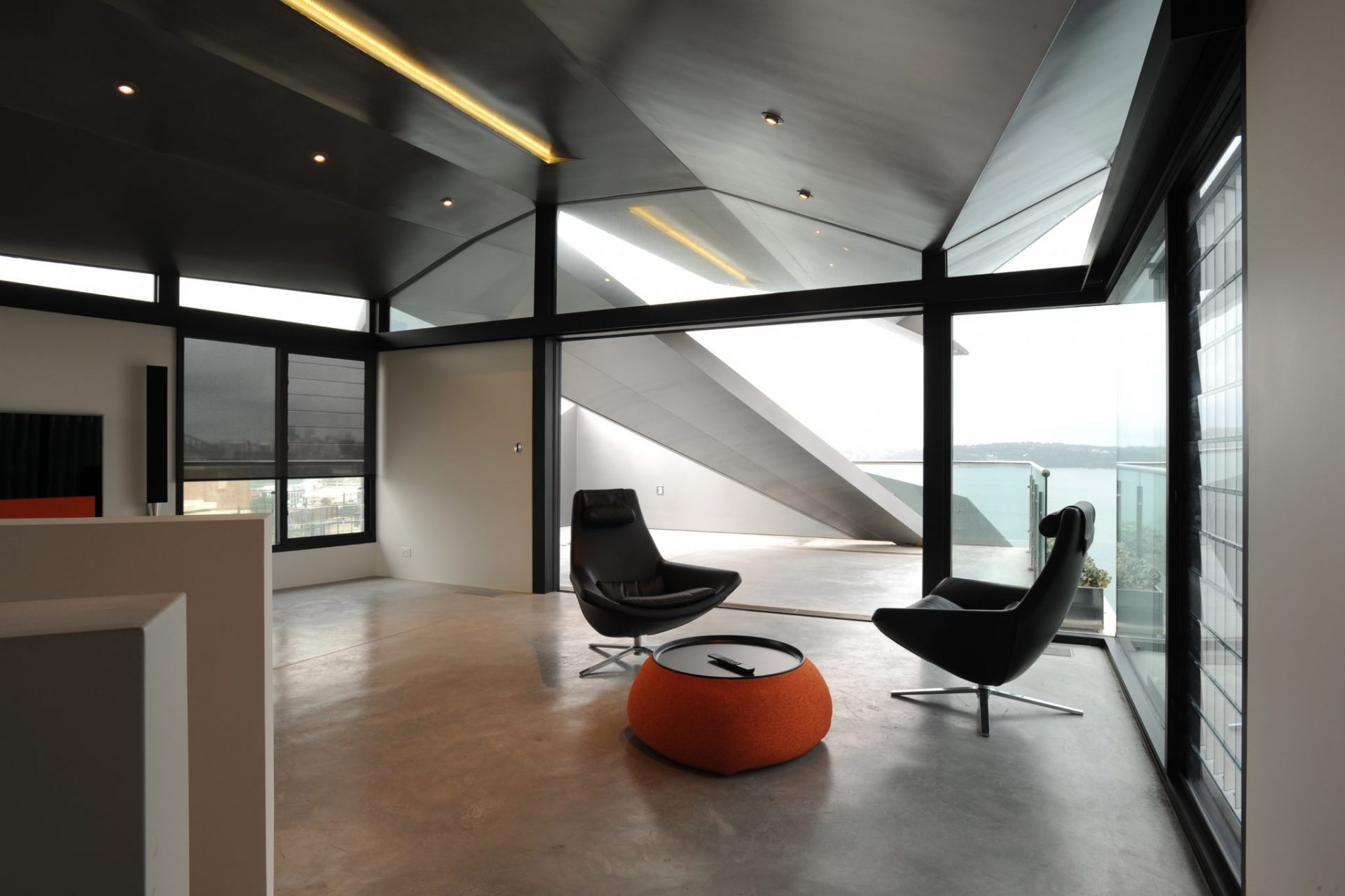
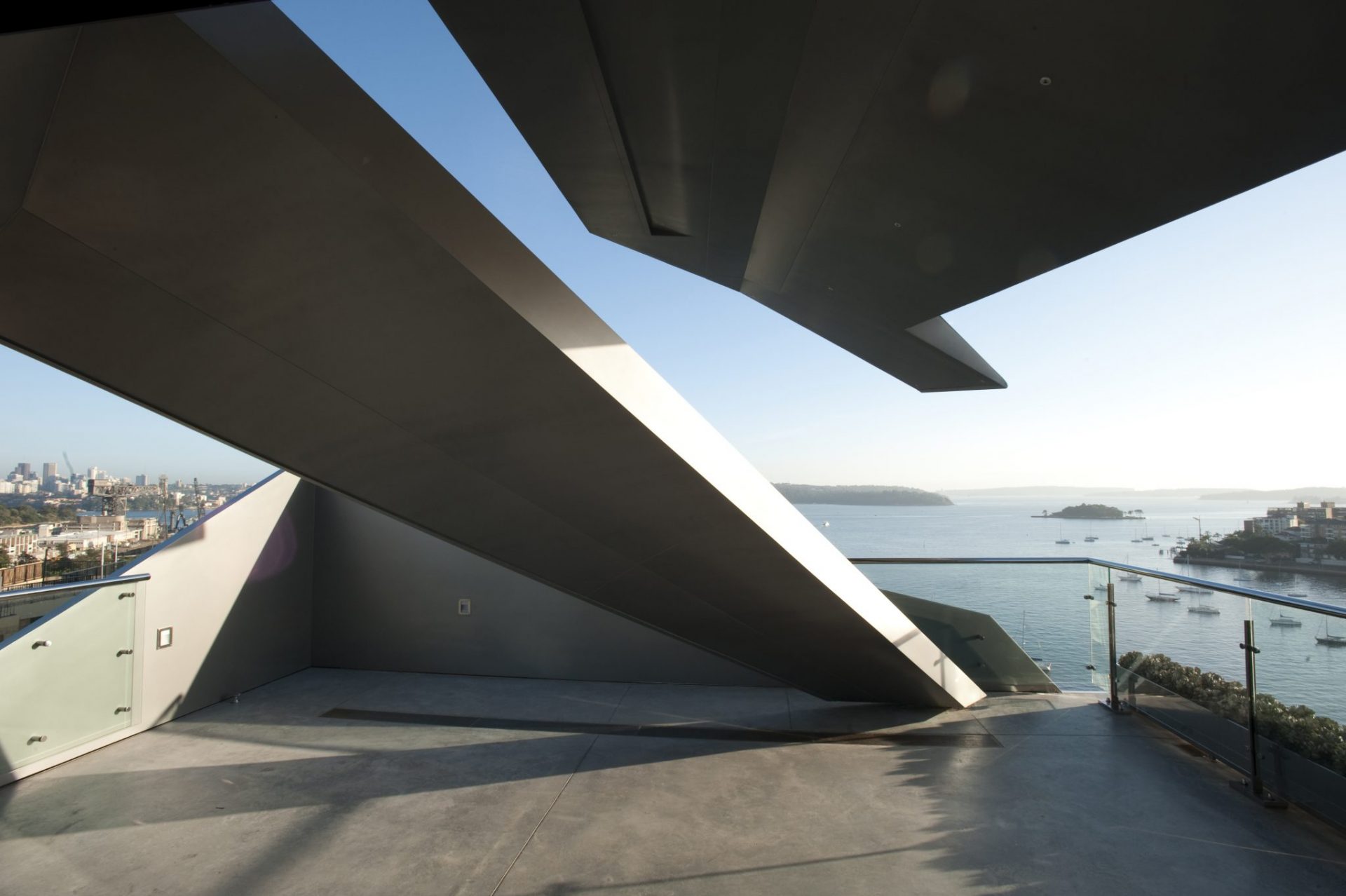
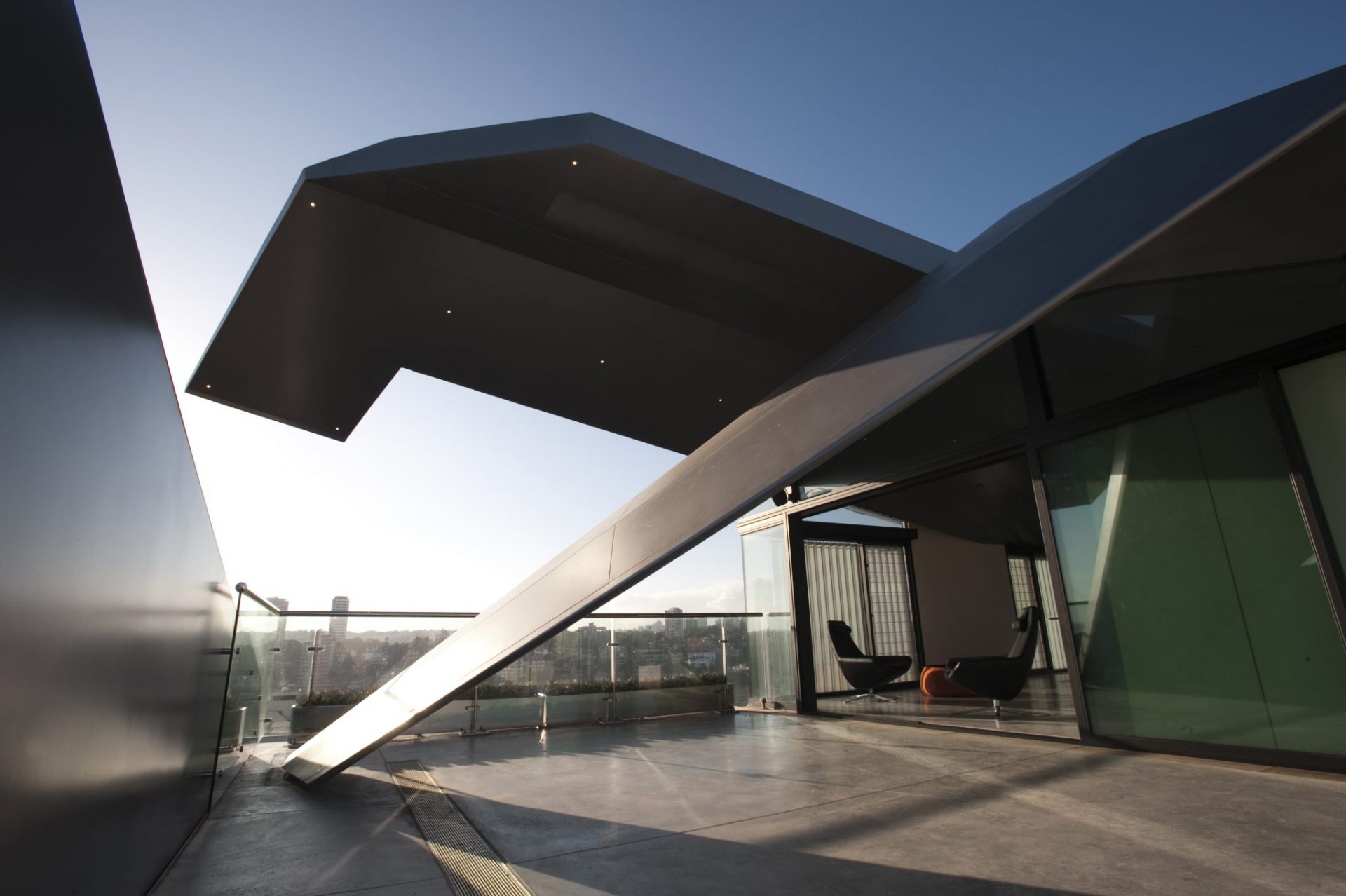
ATL Composites engineered and supplied advanced DuFLEX structures for the iconic Deepdene Penthouse, featuring a dramatic F-117 jet-inspired cantilevered roof. Designed by Richard Goodwin, the lightweight composite solution enabled complex geometry, exceptional strength, and striking architectural expression—delivering a modern landmark that respectfully contrasts Deepdene’s traditional streetscape
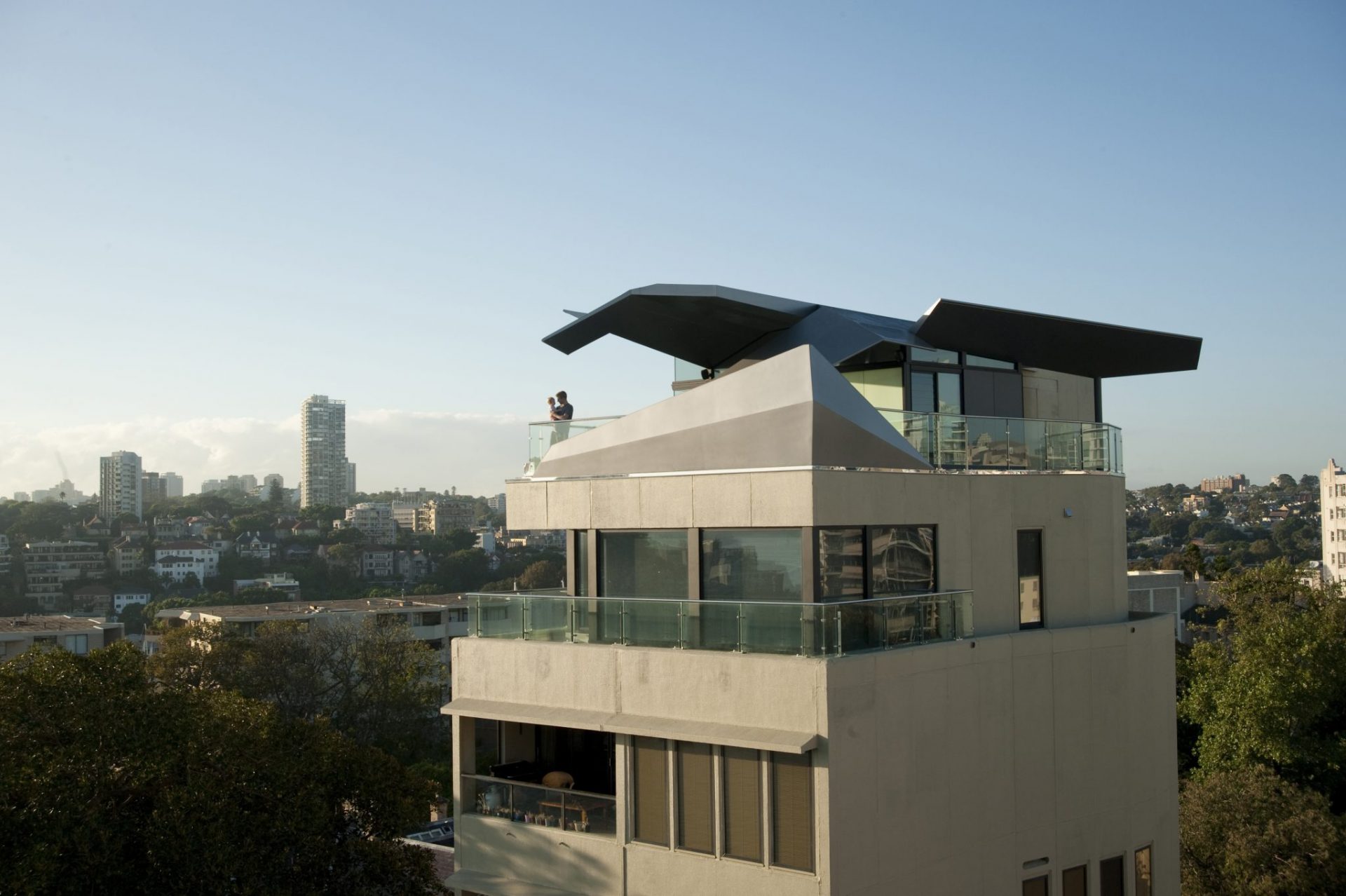
Designed by architect Richard Goodwin, the spectacular roof shape, with a cantilevered section, was modelled on the angular shapes of an F117 jet. Wind ratings, weight, strength and stiffness had to be considered in the design, and in the choice of fabrication materials. ATL engineers did the composite engineering including finite element analysis for the project.
The need to reduce the overall thickness required a combination of materials to be used, as it could not be achieved with normal steel fabrication. ATL’s DuFLEX® panels cored with 150 kg/m3 end- grain balsa, were used as they contributed structurally, while still meeting the weight and stiffness requirements.
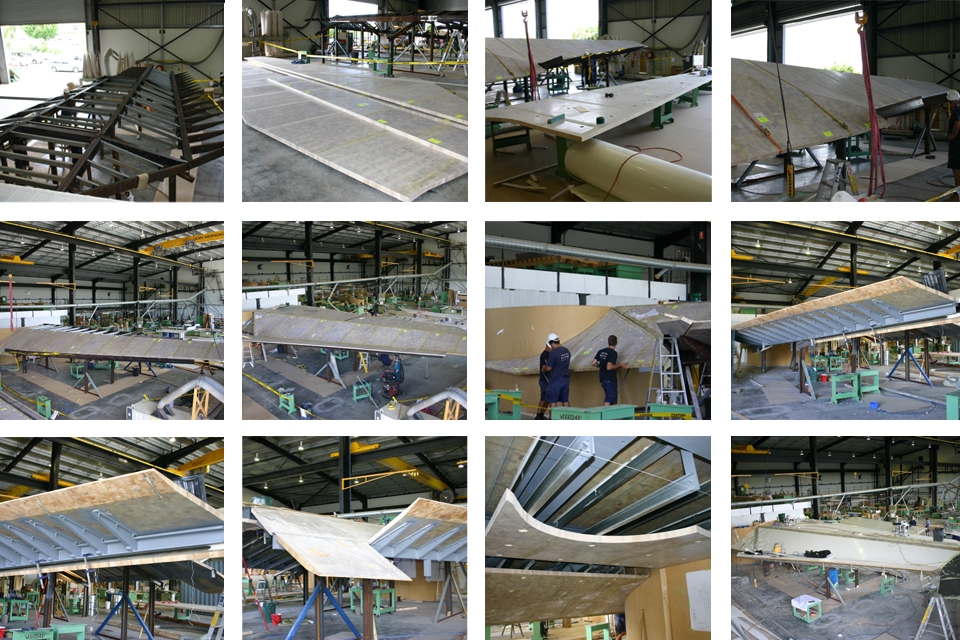
ATL Composites manufactured the DuFLEX® panels and CNC-routed the roof parts from electronic files. The panels were delivered and joined on site at Azzura Marine by ATL, so the full sized parts could be assembled directly onto the steel support structure.
John Briggs, Project Manager for the job, said “The functionality of the DuFLEX / balsa panels was perfect for the project from a weight and strength perspective, and having them joined to the full size parts on site for assembly was fantastic.”
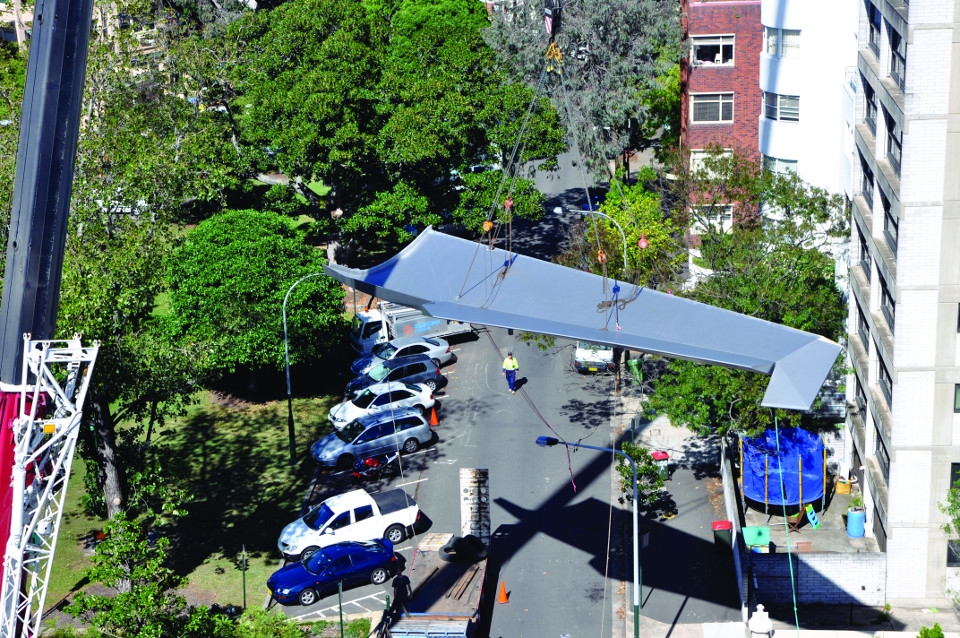
The roof was disassembled into 4 components, and shipped to the building site in Sydney. The parts, the largest piece being 3.6m x 17.5m, were lifted and positioned using a 140 tonne crane with an 87m boom.
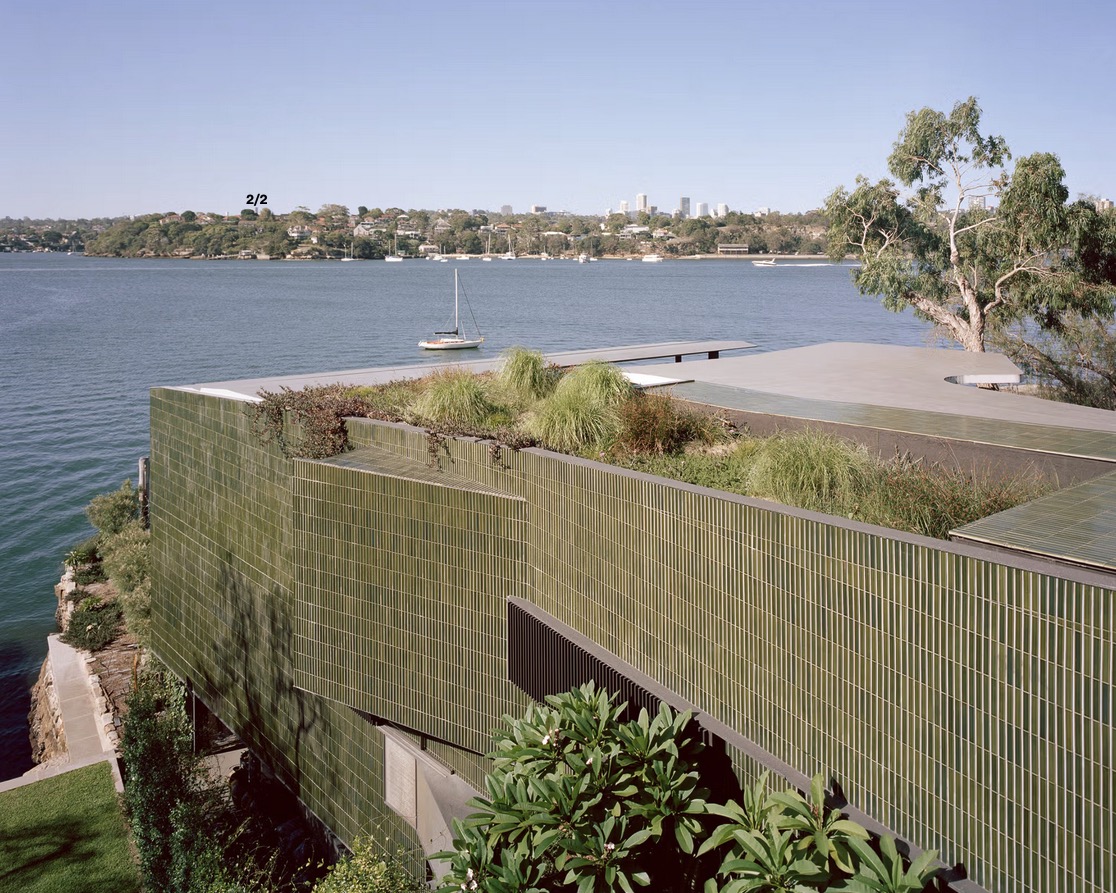
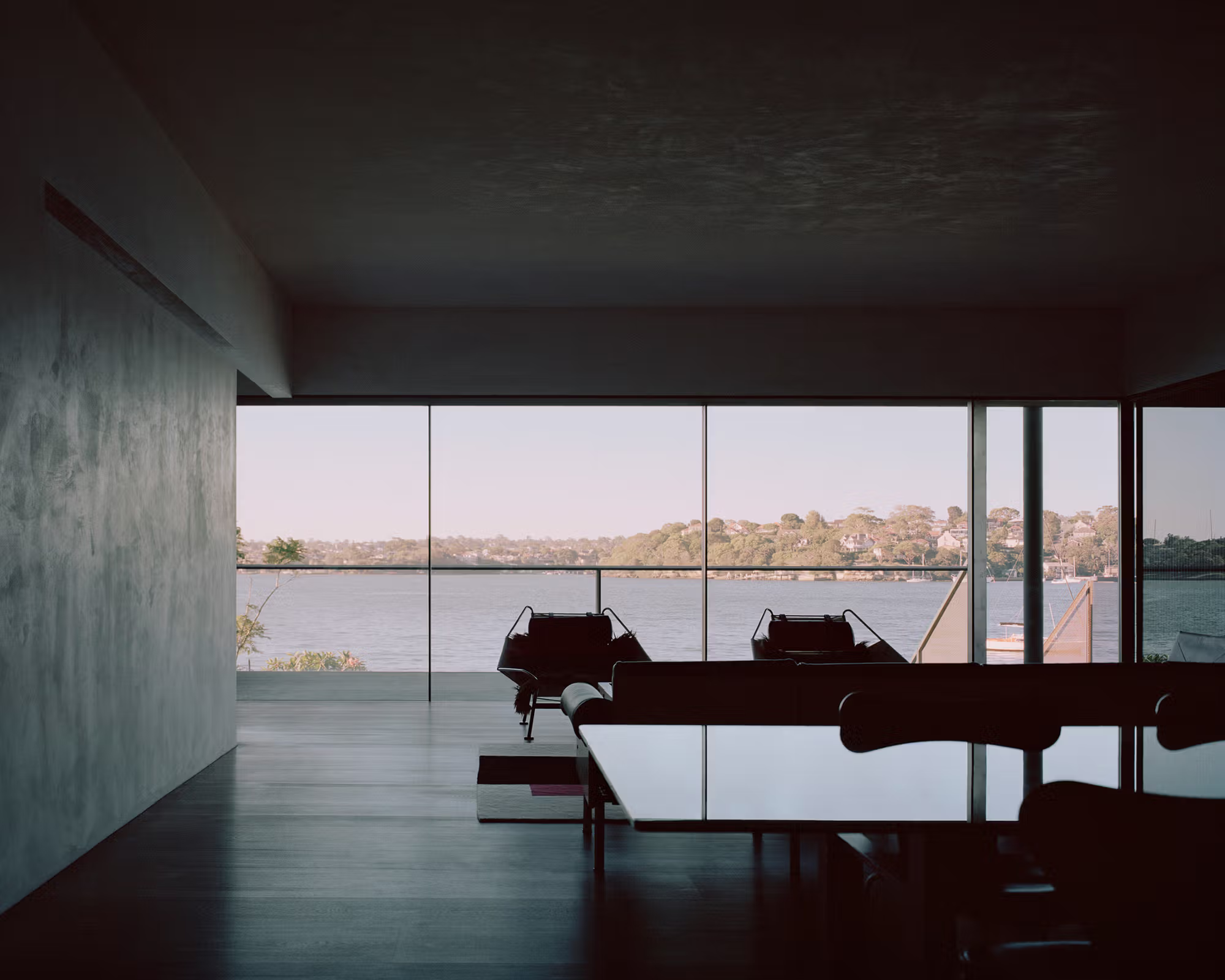
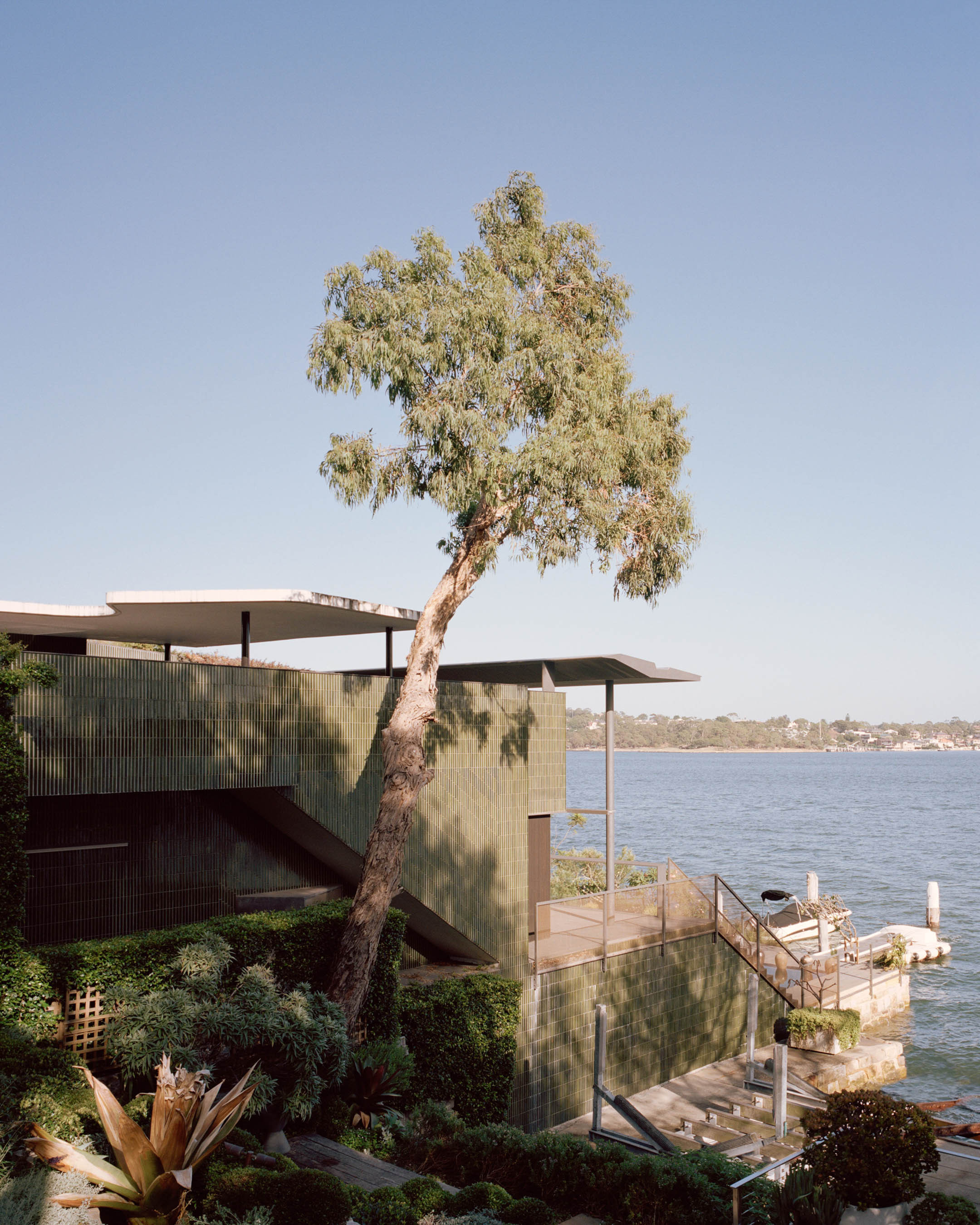
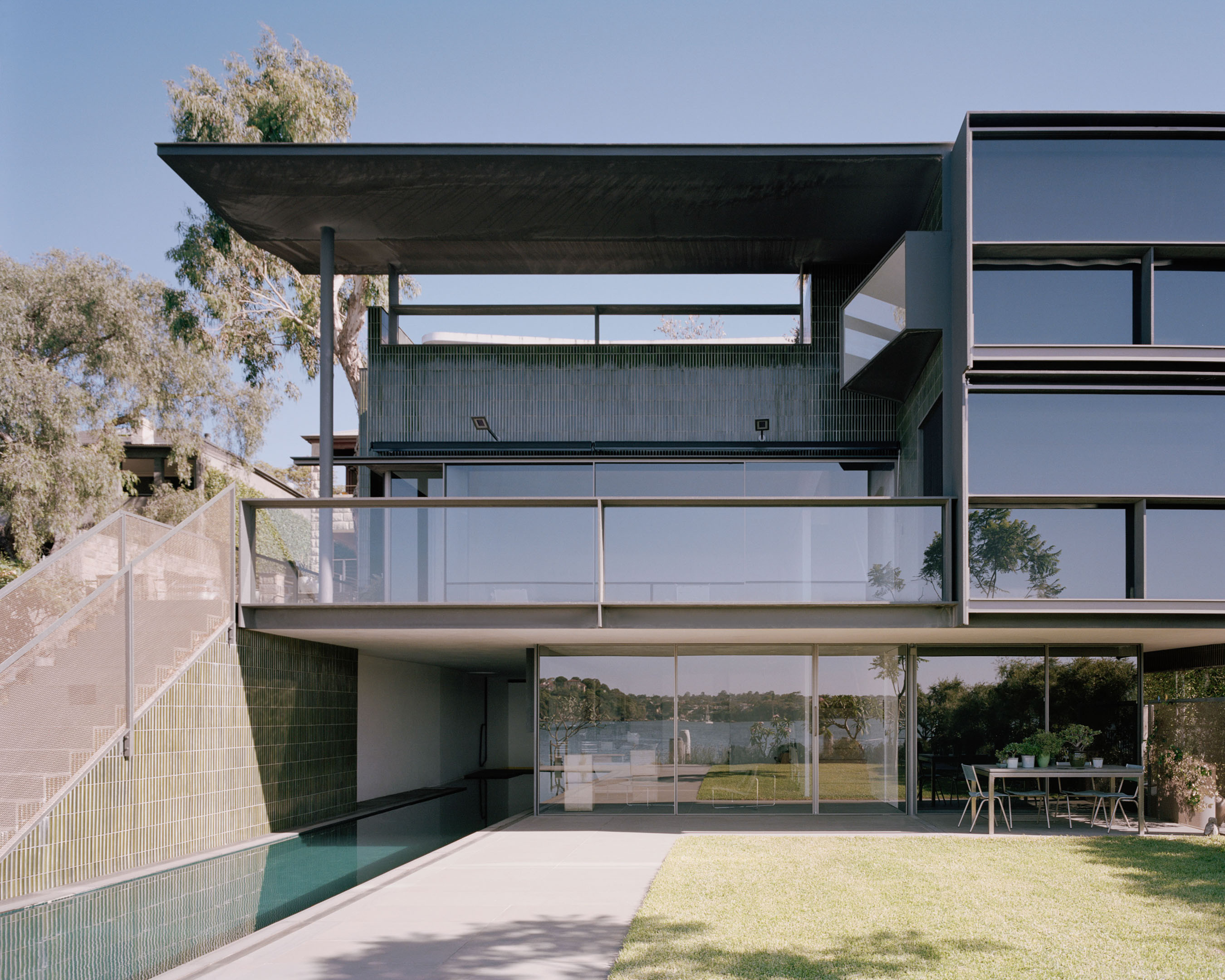
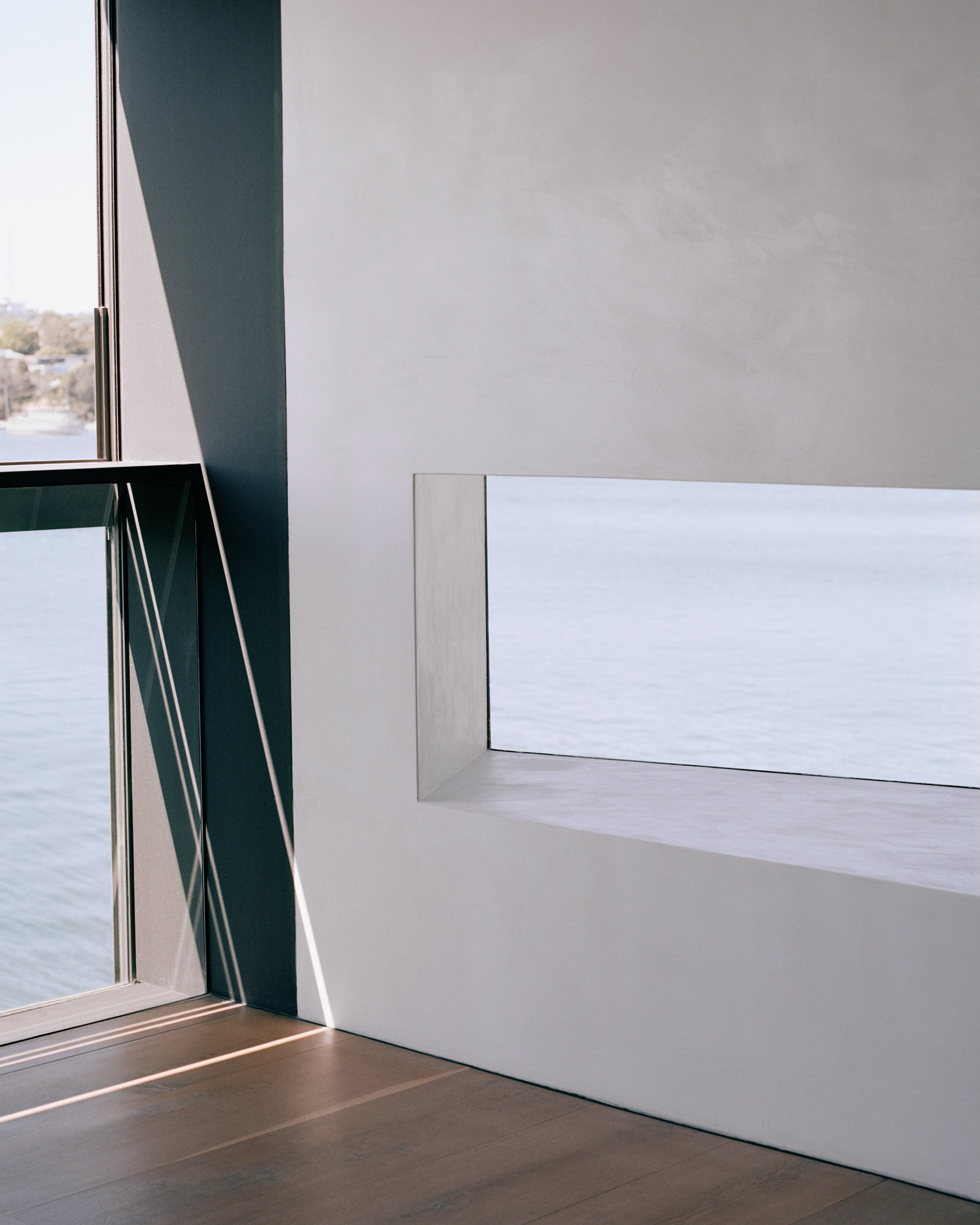
ATL Composites supplied DuFLEX composite panels to replace traditional steel framing for a waterfront residence in Birchgrove, Sydney. The solution delivered significant weight savings, corrosion resistance, and simplified installation—ideal for harsh marine environments and restricted site access.
Working closely with architect Wendy Lewin Architect and the project engineers, ATL provided technical guidance during design and fabrication to ensure structural performance was achieved without compromising architectural intent.
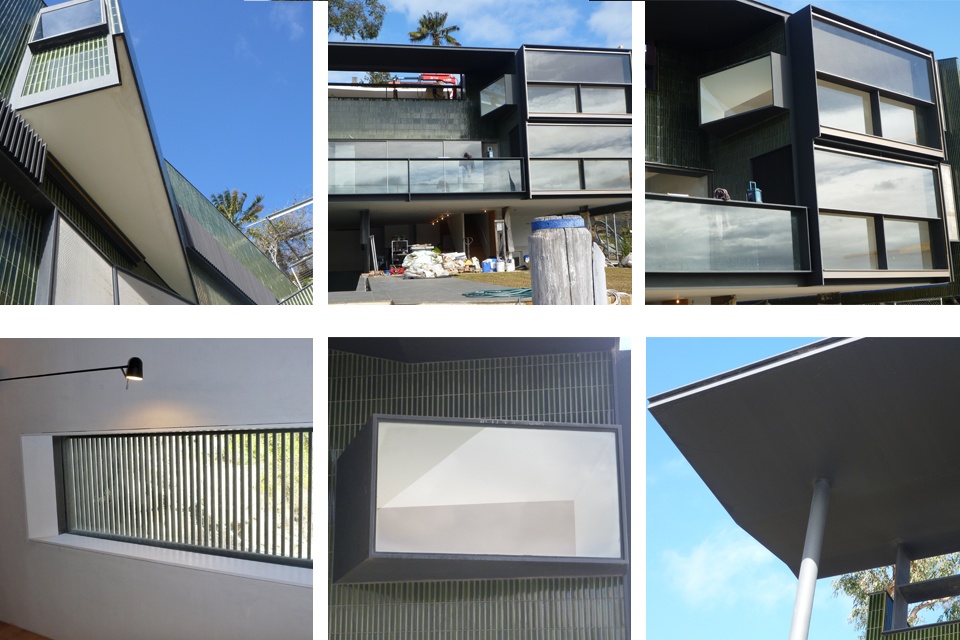
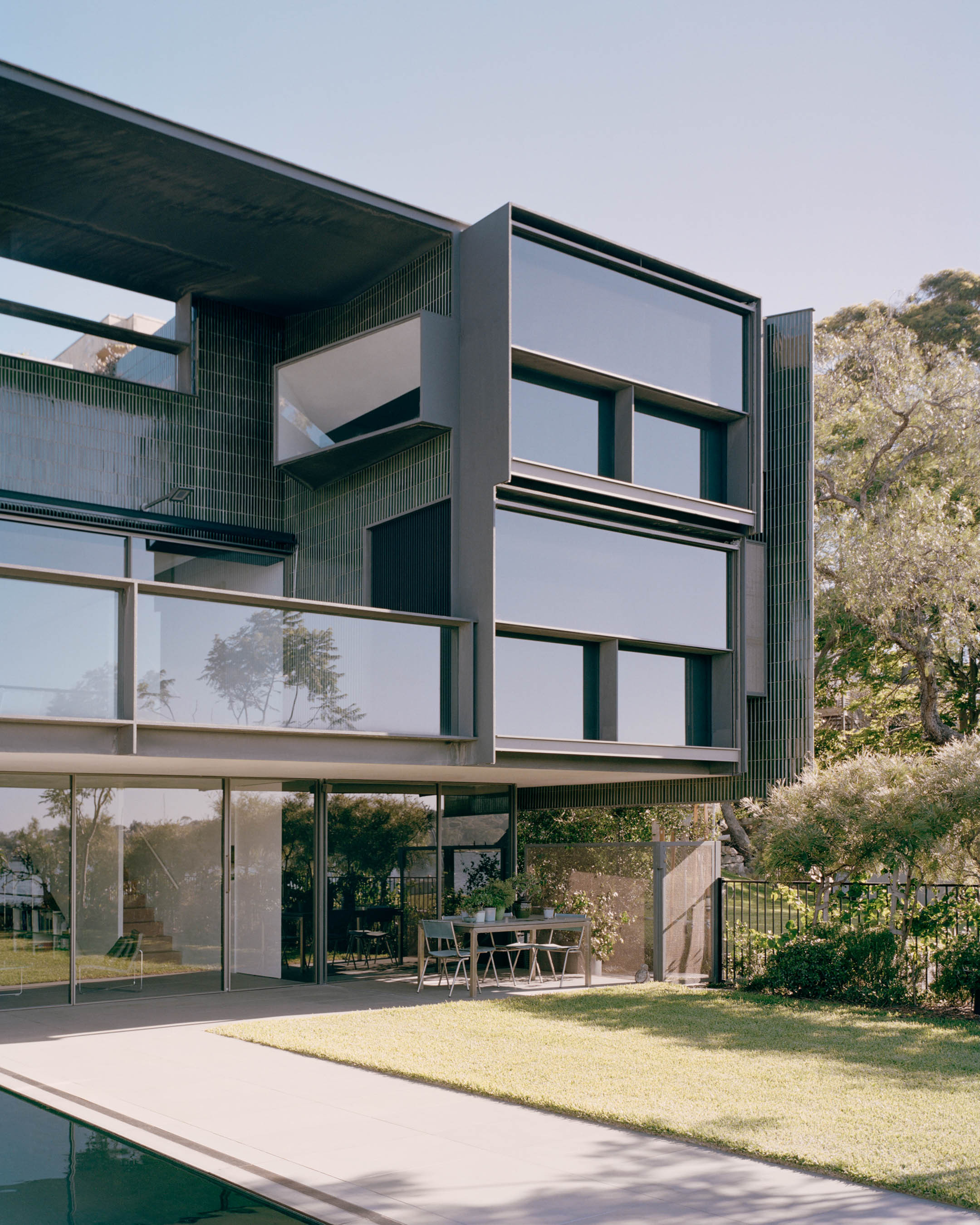
As for many of her past projects, Wendy’s original intention was to use Mild Steel Plate for these expressed frames which are conceived as “structural joinery” units. However, unlike past projects, the tendering process identified the cost for the manufacture, delivery, handling and placement of these steel plate elements for this project, was well beyond the scope of the building budget.
Site access from the street was difficult, and too narrow for a crane, making delivery, handling and placement of the welded steel plate assemblies more complex and expensive.Good site access from the harbour was available but the cost of barge-cranes, and the on-site placement by an additional crane, also brought complexity and significantly greater handling costs.
The north facing harbour-side location, exposure to high winds, wind-driven pollutants and the harsh maritime environment, also meant there was greater potential for corrosion and a reduction in long time material durability.
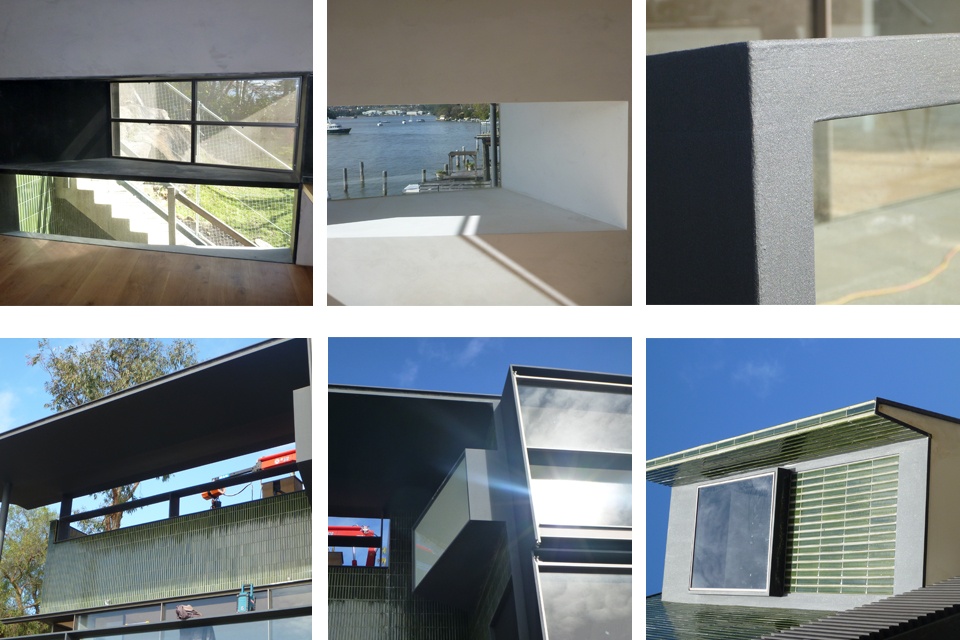
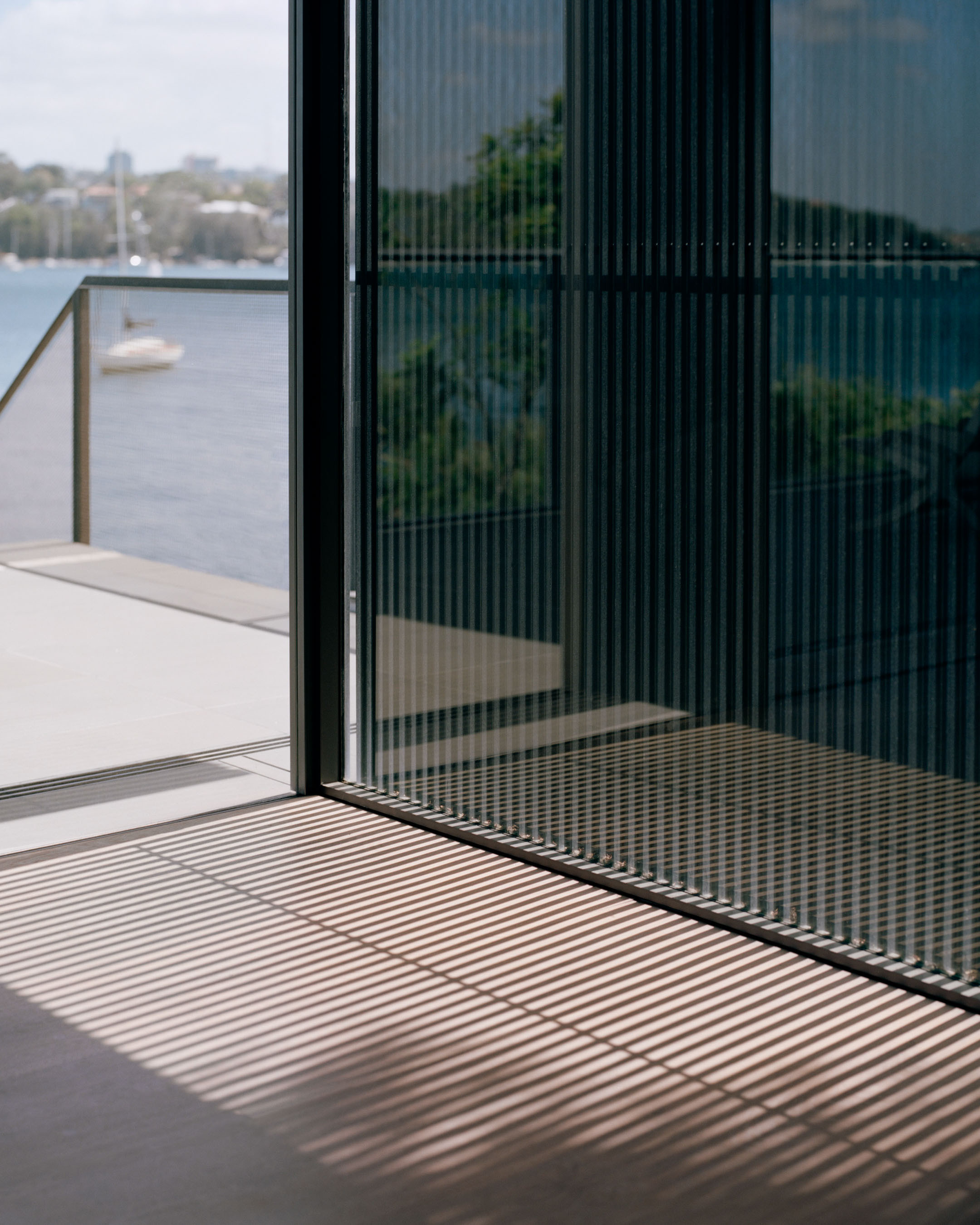
The glazed wall, door and window box frames are various sizes and shapes, and the roof has a free span distance of 6.5m from the outer support column to the bedroom on the other side. DuFLEX composite panels offered a stable, lightweight, corrosion-resistant, cost effective and high performance option, that could be used in the same way as the steel plate, without compromises having to be made in the design for high wind loads.
ATL Composites manufactured the DuFLEX® panels with a combination of 80 kg/m3 structural foam cores, ranging in thickness from 12 mm through to 50mm with a variety of E-fibreglass laminations including multiples of 1200grm quadraxials, to meet the load requirement depending on the position and type of part. 2mm solid E-Fibreglass / epoxy panels were also fabricated and incorporated into the box structure to form rebates for the window glass and insect screens.
The structural stiffness, combined with the light weight of the panels, resulted in a 90% material weight saving over the original steel plate design, and a significant reduction in loads. In addition, the panels provided excellent thermal insulation and corrosion resistance in comparison to steel.
No cranage was required for the delivery and placement. All DuFLEX elements were carried in and the light weight of the components ensured ease of handling with a reduced risk of worker injury during installation.
Components were cnc-routed from electronic files and shipped to Sydney for assembly at Caporns Pty Ltd, on Sydney’s northern beaches, using ATL’s Techniglue R60 adhesive and KINETIX® R246TX laminating resin. Caporns were contracted to install on site and worked closely with the main building contractors, Aqupa Pty Ltd.
“ Both the project engineers – James Taylor and Associates Pty Ltd and I sought advice from ATL during the design process” said Wendy. “The engineers and tech staff at ATL were extremely helpful in materials specifications and in particular in developing with JTA the shear plate connections for the head of the column for the roof. Overall, the high performance of the materials has exceeded our expectations and I continue to specify DuFLEX panels for other projects.”
Select your desired option below to share a direct link to this page.
Your friends or family will thank you later.