



Deepsea Challenger | Epoxy Syntactic Foam & Deep Sea Composite Materials | ATL Composites
Deepsea Challenger: Engineering Composite Materials for the Deepest Ocean on Earth
When Exploration Demands New Materials
Reaching the deepest point in the world’s oceans requires engineering solutions far beyond conventional materials.
When explorer and filmmaker James Cameron set out to design the Deepsea Challenger, the goal was unprecedented: reach the bottom of the Mariana Trench, nearly 11,000 metres below sea level.
At these depths, the environment is extreme:
Crushing hydrostatic pressure exceeding 16,000 psi
Temperatures near freezing
Total darkness
A hostile environment where equipment failure is not an option
These conditions quickly revealed a critical challenge.
The material required to safely operate at these depths had not yet been engineered.
Existing buoyancy materials could not withstand the immense compressive forces encountered at full ocean depth. Achieving the mission required a new generation of composite materials specifically engineered for extreme subsea pressure environments.
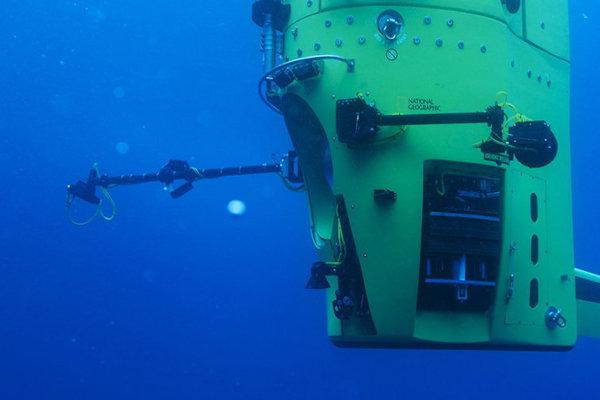
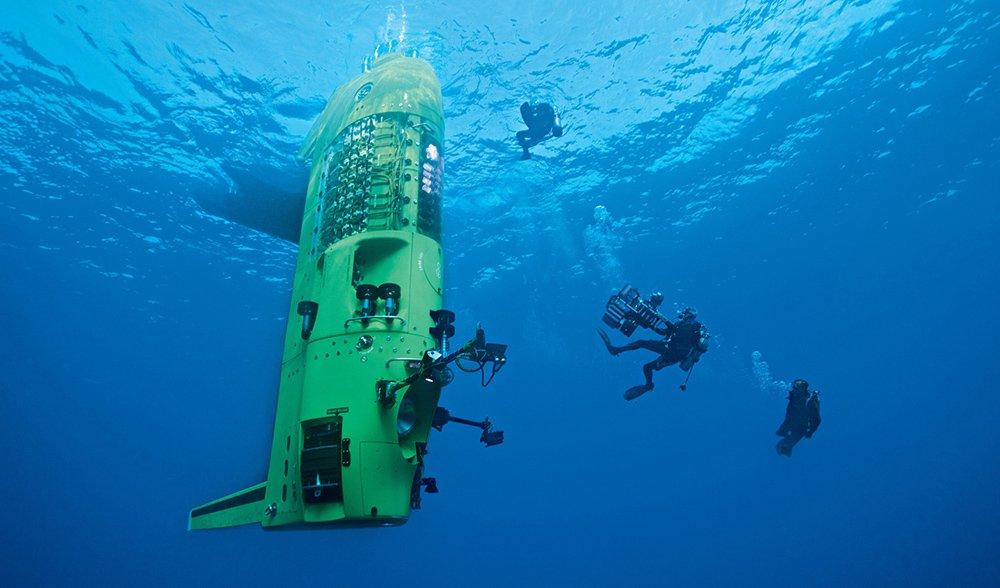
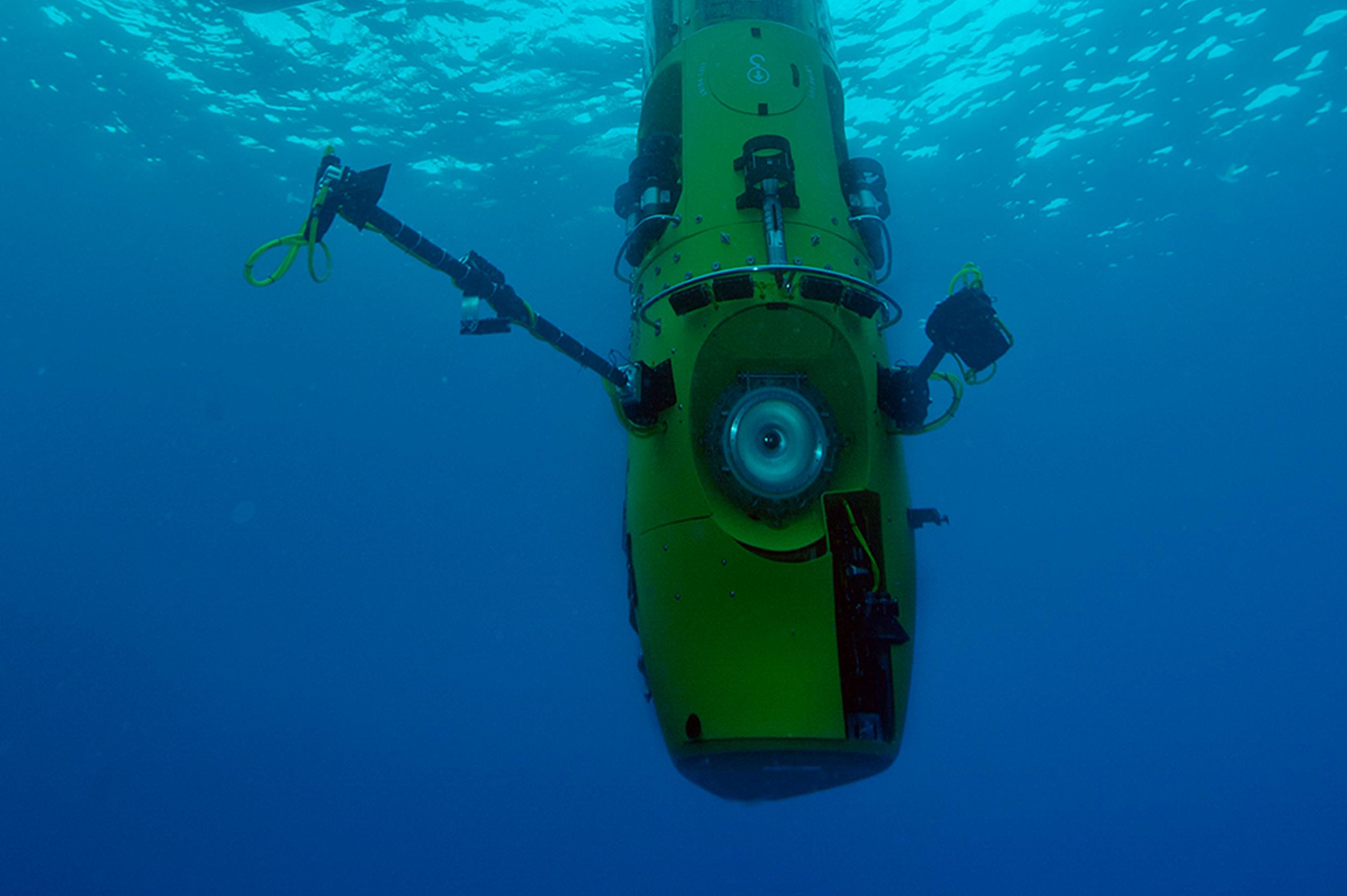
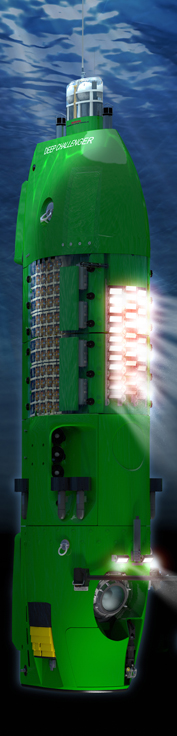
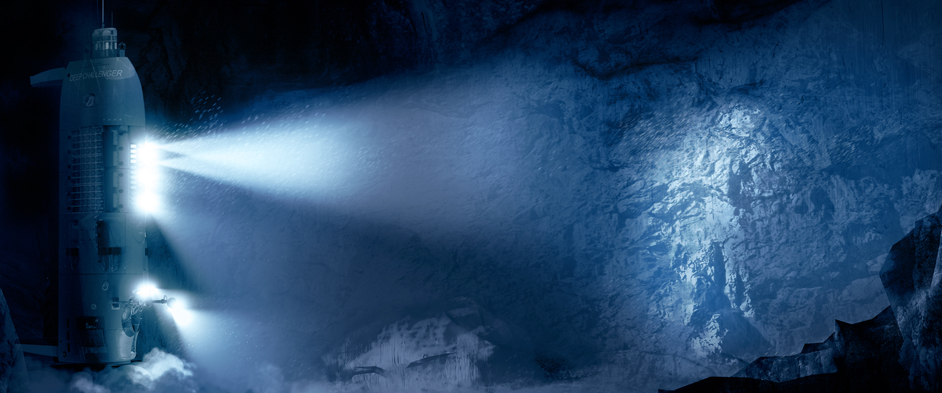
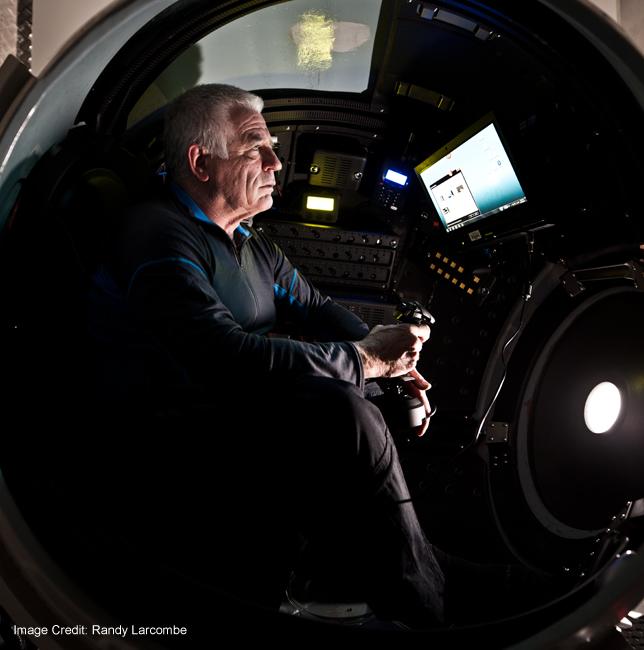
The Deepsea Challenger is a one-person deep-diving research submersible engineered to descend nearly 7 miles (11 km) to the deepest point of the ocean.
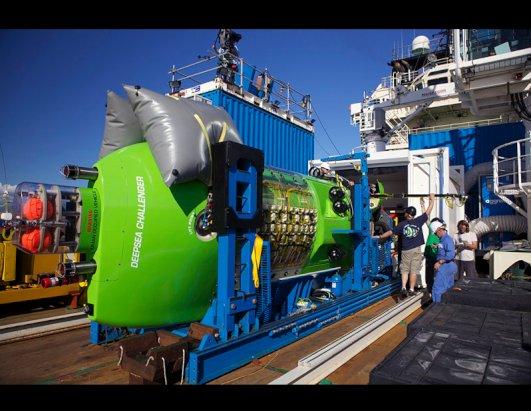
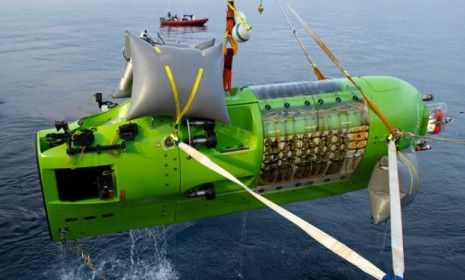
Unlike traditional submersibles, the vehicle features a vertical torpedo-like design, allowing it to descend rapidly through the water column while maximising stability at depth.
The submersible consists of three primary components:
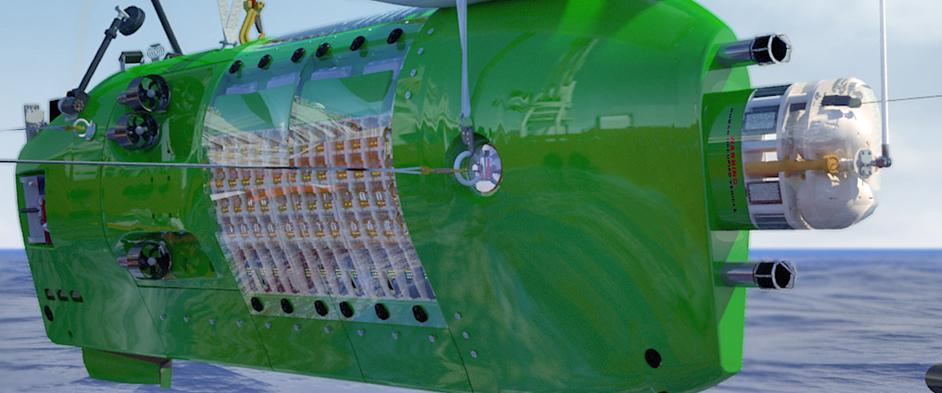
A syntactic foam buoyancy beam
A steel pilot sphere
A scientific instrumentation platform
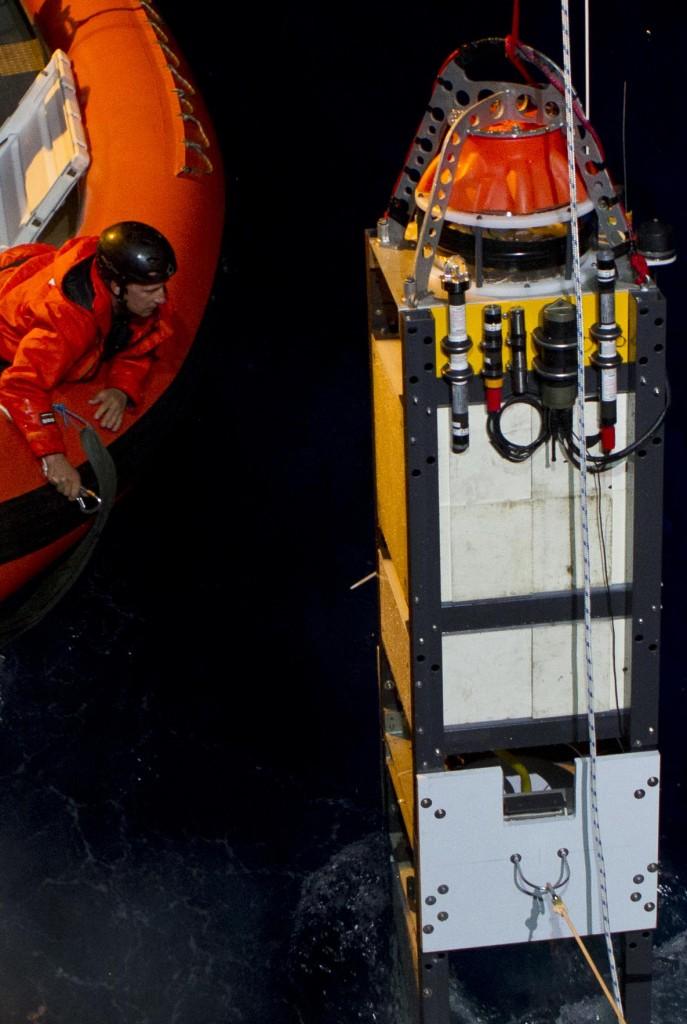
The vehicle carries more than 180 individual systems, including thrusters, batteries, cameras, lighting arrays, and life-support systems designed to operate reliably under extreme pressure.
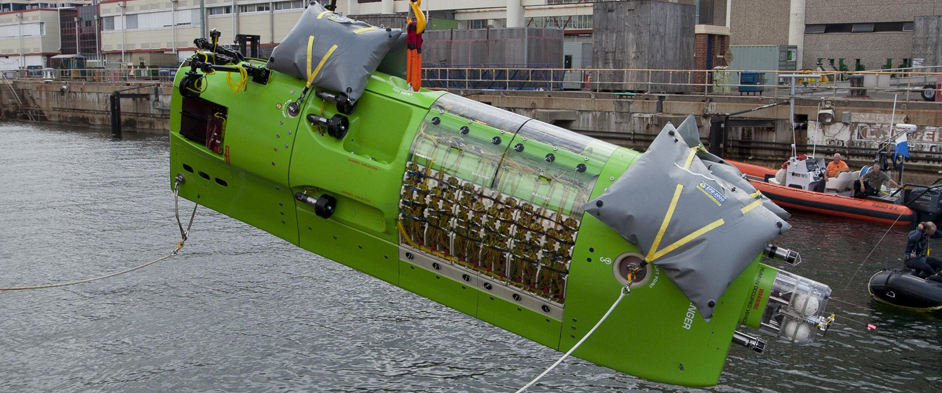
The Deepsea Challenger Submersible
ISOFLOAT® Syntactic Foam – Structural Buoyancy Technology
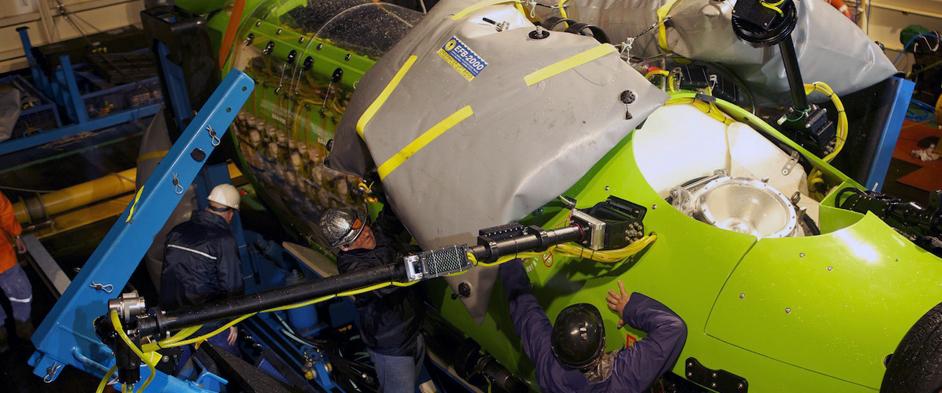
The largest structural component of the submersible is its syntactic foam beam, which provides both buoyancy and structural support.
This beam was manufactured using ISOFLOAT® syntactic foam, developed by engineers Ron Allum and Don Durbin specifically for deep-ocean exploration.
Syntactic foam is produced by suspending millions of microscopic hollow glass spheres within an epoxy resin matrix.
This creates a material that is:
Lightweight and buoyant
Extremely strong under compression
Highly resistant to crushing pressure
The syntactic foam beam accounts for approximately 70% of the submersible’s total volume, providing the buoyancy required for the vehicle to return to the surface after releasing ballast weights.
Unlike conventional foams, which collapse under pressure, syntactic foams maintain structural integrity because the microspheres act as microscopic pressure vessels capable of withstanding extreme hydrostatic loads.
ATL Composites and the KINETIX® Epoxy System
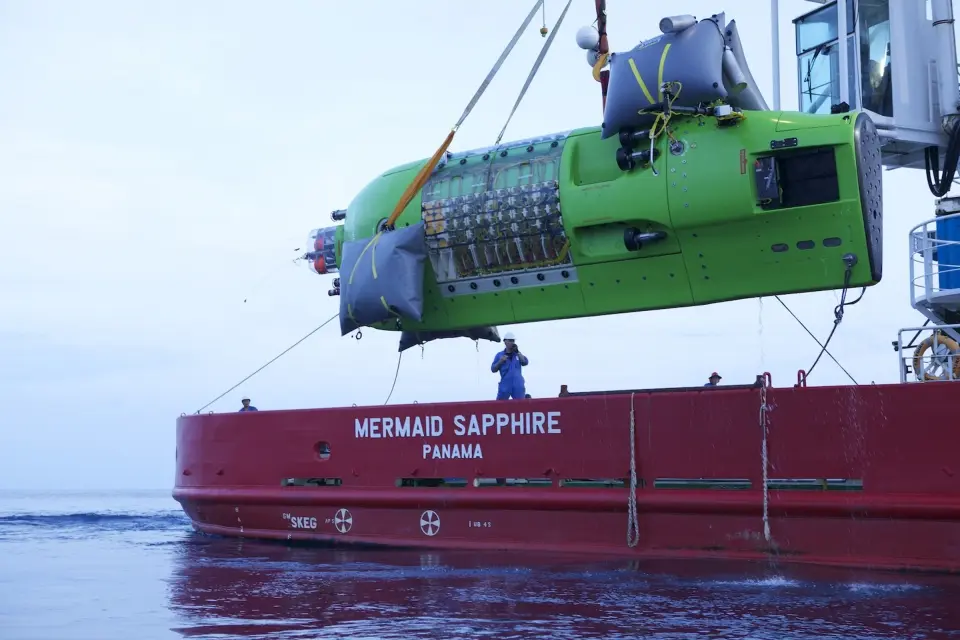
ATL Composites partnered with the Deepsea Challenger engineering team to develop a specialised epoxy syntactic material system used throughout the submersible’s buoyancy structure.
The system utilised KINETIX® epoxy resin, formulated and manufactured by ATL Composites in Queensland, Australia.
The resin system was engineered specifically to enable the manufacture of large syntactic foam structural components, ensuring reliable performance under deep-ocean pressure conditions.
The advanced epoxy syntactic system delivered several critical performance characteristics:
Extremely high compressive strength
High fracture toughness
Low exotherm curing, enabling thick-section casting
Dimensional stability under extreme pressure
Structural integrity combined with buoyancy
This material system was used in approximately 90% of the submersible’s buoyancy structure, enabling the Deepsea Challenger to withstand the immense pressure encountered during its historic dive.
ATL Composites – Engineering Beyond Conventional Limits
ATL Composites develops high-performance composite materials engineered for demanding environments.
By combining advanced epoxy chemistry, materials formulation expertise, composite engineering knowledge, and specialised manufacturing capability, ATL works with engineers and innovators to develop materials capable of performing in some of the most challenging environments on Earth.
From marine and subsea engineering to aerospace, defence, and advanced manufacturing, ATL partners with organisations pushing the limits of engineering and exploration.
Because innovation does not begin with asking:
“What products already exist?”
It begins with asking:
“What material needs to be engineered to make this possible?”
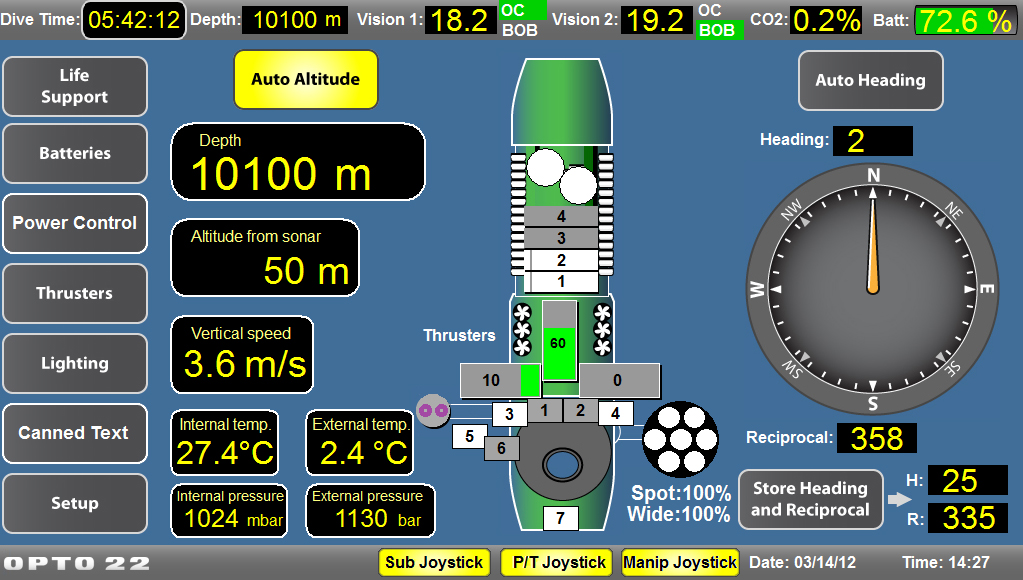
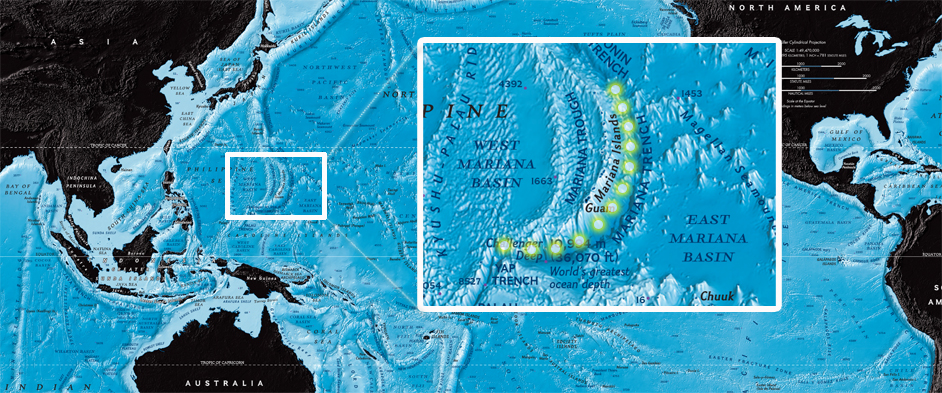
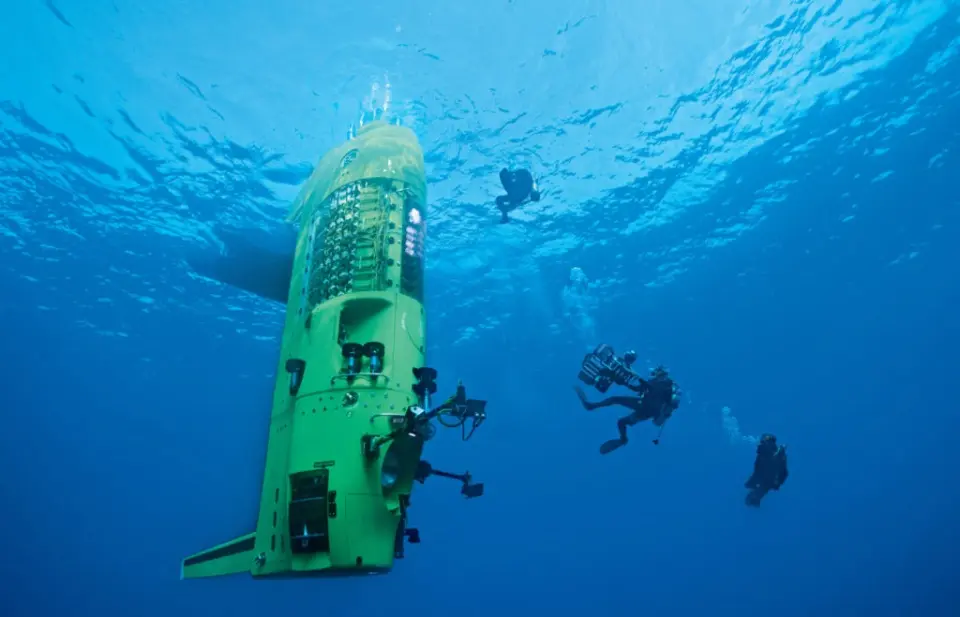
On 26 March 2012, the Deepsea Challenger successfully descended to Challenger Deep, the deepest point in the Mariana Trench.
The mission demonstrated how advances in materials science, composite engineering, and subsea technology can unlock new frontiers of exploration.
The dive captured high-definition imagery, collected scientific samples, and expanded the understanding of deep-ocean ecosystems — while proving the viability of next-generation materials for full-ocean-depth vehicles.
Reaching Challenger Deep
Composite Materials for Extreme Environments
Technologies developed for the Deepsea Challenger have applications across many subsea industries, including:
Deep-sea exploration vehicles
Remotely operated vehicles (ROVs)
Subsea buoyancy modules
Offshore energy infrastructure
Oceanographic research equipment
These applications require materials capable of surviving extreme pressure, corrosive seawater environments, and prolonged subsea exposure.
Advanced epoxy syntactic materials are now widely used for subsea buoyancy and structural components in deep-ocean engineering systems.
Engineering Structural Solutions for the World’s Most Extreme Environments