


Sealant "Tacky" Tapes
Process
Temp
204°C
Airtech
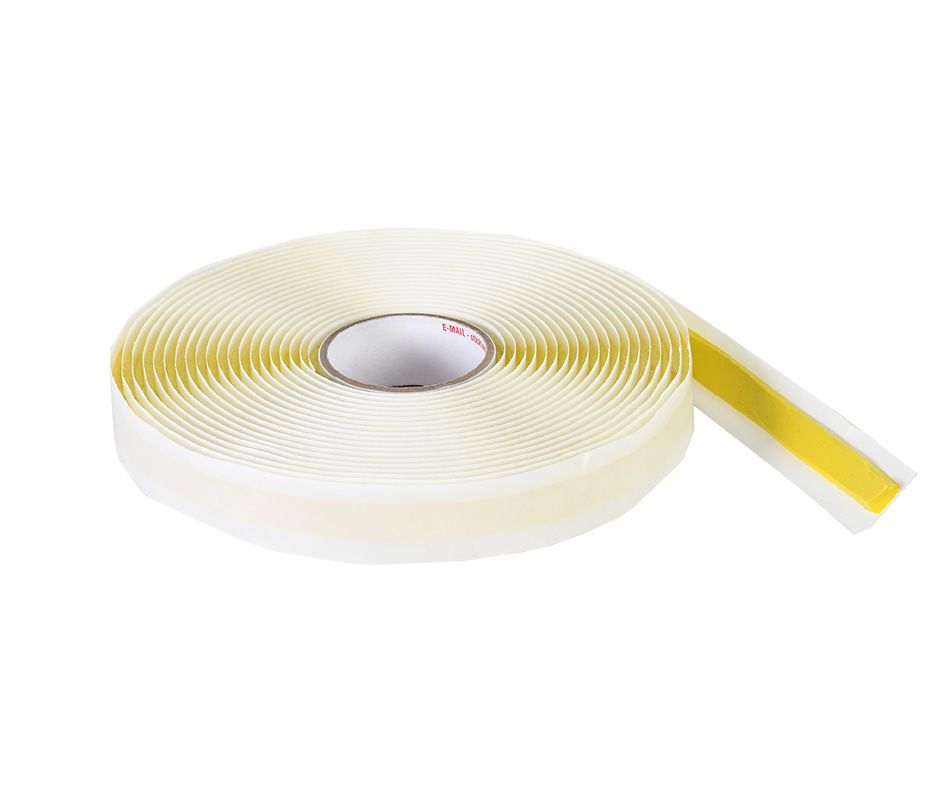
AT-200Y – High-Tack
Yellow Sealant Tape
A high-tack vacuum bag sealant tape formulated for reliable adhesion to metal and composite tooling. It holds a secure seal through elevated-temperature processing — oven and autoclave cures, high-temperature tooling and prepreg — and removes cleanly after cure, minimising residue and tool-cleaning time. The highest temperature rating in the range.
Process
Temp
120°C
Airtech
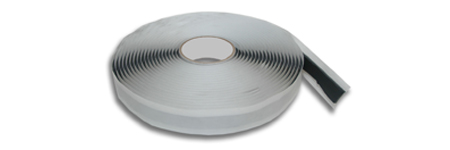
Airseal 1 – Black
Sealant Tape
An economical multi-purpose sealant tape for room and medium-temperature applications, suitable for cure processes up to 120 °C — which takes in most wet lay-up and most epoxy infusion. Its good tack level delivers secure seals and strong bag hold, achievable even in colder environments.
Which sealant tape do you need?
Start with cure temperature
It is the only specification that fails outright. Held above its rating, a sealant tape softens, the bead creeps under vacuum load and the seal opens part-way through the cycle. Match the tape to the peak temperature the tool will actually reach, including exotherm — not the nominal cure temperature.
Then tack
Tack is how hard the tape grabs when it is first pressed down, and it matters in two situations: cold workshops, and awkward tool geometry where the bead has to be worked into a corner and stay there while the film is pleated around it. AT-200Y is high-tack and holds in both.
Then the tool surface
Both tapes are formulated for composite and metal tooling and both are designed to remove cleanly after cure. If tool-cleaning time is a real cost in your shop — on a production mould that turns over daily, it is — the clean-removal characteristic is doing as much work as the temperature rating.
Cross-section rarely needs a decision
Both tapes are supplied as a 3 mm × 12 mm bead, the standard section for vacuum bagging, and it suits bag films from thin nylon through to heavy lay-flat tube. A thinner bead saves nothing worth having; a thicker one is harder to seat cleanly.
Shelf life is worth planning around, because sealant tape is bought in cartons. AT-200Y carries 12 months from date of manufacture and Airseal 1 carries 18 months. Rotate stock and buy to consumption rather than to the discount. In a cold shop in winter, warm the tool and the tape before applying.
Specifications and part numbers
| Part | Description | Process Temp | Colour | Thickness MM | Width MM | Length LM | Shelf Life | Best For |
|---|---|---|---|---|---|---|---|---|
| V720Y250 | AT-200Y Tacky Tape – Single Roll | 204°C | Yellow | 3 | 12 | 15 | 12 mth | Elevated-temperature cures, autoclave and prepreg, difficult tool surfaces |
| V720Y250BX | AT-200Y Tacky Tape – Carton of 20 | 204°C | Yellow | 3 | 12 | 15 | 12 mth | Production shops running AT-200Y continuously |
| AS15B | Airseal 1 Tacky Tape – Single Roll | 120°C | Black | 3 | 12 | 15 | 18 mth | Room and medium-temperature wet lay-up and infusion |
| AS15BBX | Airseal 1 Tacky Tape – Carton of 20 | 120°C | Black | 3 | 12 | 15 | 18 mth | Regular infusion and wet lay-up work |
| V840 | Airhold 10 CBS Double-Sided Tape | 60°C | White | 0.279 | 25.4 | 33 | – | Holding honeycomb core during machining; securing spiral wrap |
Scroll the table sideways to see all columns.
How much sealant tape does a bag take?
Work on the perimeter of the bag plus roughly 20 per cent for pleats, tucks and the second pass around vacuum fittings. A 15 lm roll will seal a bag of about 3 m × 3 m with something in hand; a hull or deck bag will run through several rolls. Cartons of 20 exist for exactly that reason.
Buy the margin. Running short of sealant tape halfway through a lay-up, with resin already mixed, is the one failure on this page that costs more than the material. Sealant tape sits alongside bagging film and breather in every order — see the full range of vacuum bagging and infusion consumables.
Double-sided core-holding tape
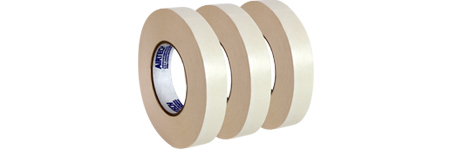
Process
Temp
60°C
Airtech
Airhold 10 CBS Double-Sided Tape
A double-sided, fabric-reinforced tape with a rubber-based adhesive on both faces. It is designed for holding honeycomb core — metallic and non-metallic — firmly in position during machining, and releasing it afterwards without leaving residue on the core. The thick adhesive coating is what makes that possible. It is also used to secure plastic spiral wrap in vacuum-assisted resin infusion.
It is not a bag sealant. If you are sealing a vacuum bag to a tool, you want AT-200Y or Airseal 1 above.
Frequently asked questions
Is tacky tape the same as vacuum bag sealant tape?
Yes. Tacky tape is the workshop name for it. Both terms describe the same product: a soft, permanently tacky synthetic-rubber bead that seals the bagging film to the tool and holds vacuum for the length of the cure.
What temperature sealant tape do I need?
Match the tape to the peak temperature the tool will reach, including exotherm — not the nominal cure temperature. Airseal 1 is rated to 120 °C, which covers most room and medium-temperature wet lay-up and epoxy infusion. AT-200Y is rated to 204 °C for oven and autoclave cures, high-temperature tooling and prepreg.
What is the difference between AT-200Y and Airseal 1?
Temperature and tack. AT-200Y is a high-tack yellow tape rated to 204 °C; Airseal 1 is an economical black tape rated to 120 °C with a good tack level. Both are 3 mm × 12 mm on a 15 lm roll and both remove cleanly after cure. If your process stays below 120 °C, Airseal 1 does the job for less.
Will sealant tape leave residue on my mould?
Both tapes are designed to remove cleanly after cure and to minimise tool-cleaning time. Residue is most likely when a tape has been held above its temperature rating, or left on a tool for a long period between cycles — which is another reason to match the grade to the process.
How much sealant tape do I need?
Work on the perimeter of the bag plus about 20 per cent for pleats, tucks and the pass around vacuum fittings. A 15 lm roll will seal a bag of roughly 3 m × 3 m with margin in hand. Large hull and deck bags run through several rolls, which is why both tapes are stocked in cartons of 20.
Can I use sealant tape for resin infusion as well as wet lay-up?
Yes. The seal requirement is the same in both processes, and arguably higher in infusion — an infusion bag has to hold vacuum reliably for the whole flow and cure, and a small leak that a wet lay-up would tolerate will pull air into the laminate. Choose the grade on temperature as normal.
How long does sealant tape last in storage?
AT-200Y carries a shelf life of 12 months from date of manufacture and Airseal 1 carries 18 months. Store rolls in their packaging, out of direct sun and away from heat, and rotate stock so the oldest cartons are used first.
What is Airhold 10 CBS used for?
Airhold 10 CBS is not a bag sealant. It is a double-sided, fabric-reinforced tape used to hold honeycomb core in position during machining and to release it afterwards without residue, and to secure plastic spiral wrap in vacuum-assisted resin infusion.
Talk to ATL about your application
Tell us the cure schedule, the tool surface and the size of the bag, and we will recommend a grade and a quantity that suits.
or call +61 7 5563 1222