

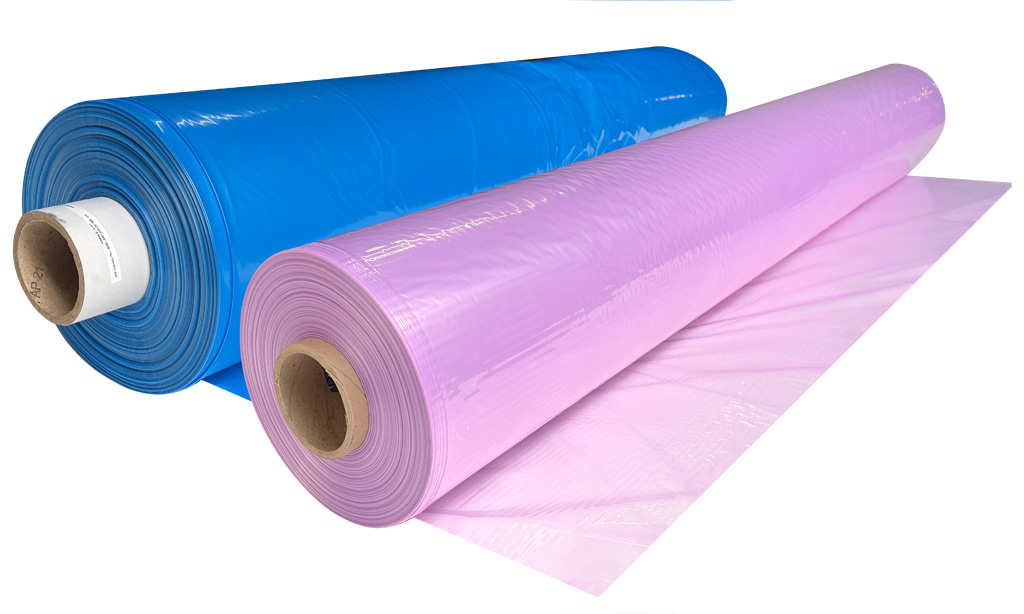

Vacuum bagging films form the sealed envelope required to maintain vacuum pressure across the laminate throughout processing. Film selection is determined by cure temperature, part size and geometry, elongation requirements and bag configuration.
ATL stocks two Airtech grades in Australia. L100 Big Blue is a multi-layer general-purpose film rated to 121 °C, supplied W-folded in 4, 6, 10 and 12 metre widths for hulls, decks and large mouldings. Wrightlon® 600V is a 204 °C film for high-temperature cure, supplied as a 1520 mm lay-flat tube or a 3040 mm centre-fold sheet.
Both deliver the elongation and puncture resistance needed to hold a secure seal over complex mould shapes without bridging or pinholing.
Bagging films stocked by ATL
Airtech
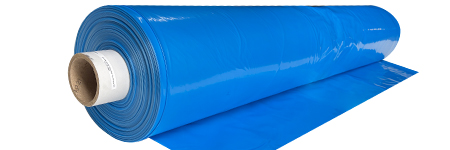
L100 Big Blue
121°CProcess Temp
Multi-layer film for wet lay-up and resin infusion, supplied W-folded in widths up to 12 metres so hulls, decks and large panels can be bagged in one piece with no join.
Airtech
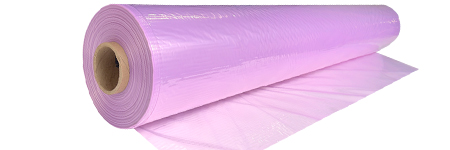
Wrightlon® 600V
204°CProcess Temp
Violet film for high-temperature cure and post-cure. Supplied as a lay-flat tube, where two of the four seals are already made, or as a centre-fold sheet.
Specifications and part numbers
| Part | Description | Process Temp | Thickness MM | Width MM | Length LM | Form | Best For |
|---|---|---|---|---|---|---|---|
| 0BB10004 | L100 Big Blue: Multilayer Film | 121°C | 0.075 | 4000 | 170 | W Fold | Large panels and mouldings |
| 0BB10006 | L100 Big Blue: Multilayer Film | 121°C | 0.075 | 6000 | 110 | W Fold | Decks and cabin tops |
| 0BB10010 | L100 Big Blue: Multilayer Film | 121°C | 0.075 | 10000 | 67 | W Fold | Hulls, bagged in one piece |
| 0BB10012 | L100 Big Blue: Multilayer Film | 121°C | 0.075 | 12000 | 56 | W Fold | The widest bag, no join |
| 0WL60V15T | Wrightlon 600V Violet Film | 204°C | 0.050 | 1520 | 304 | Lay Flat Tube | Small and medium parts, two seals pre-made |
| 0WL60V152 | Wrightlon 600V Violet Film | 204°C | 0.050 | 1520 | 304 | Sheet | High-temperature cure where a flat sheet suits the tool better than a tube |
| 0WL60V304 | Wrightlon 600V Violet Film | 204°C | 0.050 | 3040 | 304 | Centre Fold Sheet | High-temperature cure over larger tools |
Scroll the table sideways to see all columns.
Choosing a bagging film
Cure temperature
Match the film to the peak temperature the laminate will reach, including exotherm — not to the ambient shop temperature. L100 Big Blue is rated to 121 °C and covers ambient and moderately elevated-temperature epoxy work, which is most wet lay-up and infusion. Wrightlon 600V is rated to 204 °C for oven cure, high-temperature post-cures and prepreg processing. A film taken past its rating will embrittle and fail the bag, usually at the worst possible moment.
Part size and bag width
The bag has to reach over the part, down the sides and out to the seal line on the tool, with enough slack to pull into every corner without bridging. As a rule the film needs to be considerably wider than the part footprint, and joining two narrower widths adds a seam that is one more place to lose vacuum.
This is where the range matters. Most bagging film sold in Australia stops at about 1.5 metres. ATL stocks L100 Big Blue W-folded at 4, 6, 10 and 12 metres, so a hull, deck or large panel can be bagged in one piece with no join at all. For smaller parts, the 1520 mm Wrightlon 600V lay-flat tube is often the faster option because two of the four seals are already made.
Format — lay-flat tube, W-fold or centre-fold sheet
Lay-flat tube
A continuous tube. Cut a length, seal both ends, and you have a bag with two edges already sealed — quickest for small and medium parts, and well suited to tubular or hollow sections.
W-fold and centre-fold
W-fold is a wide sheet folded to a manageable roll — how the 4 to 12 metre widths are supplied, opening out flat over a large tool. Centre-fold sheet opens to double its folded width; the 3040 mm Wrightlon 600V is supplied this way.
Bagging film or release film — what is the difference?
They sit in the same stack and are constantly confused with each other.
Bagging film
The outer envelope. It never touches the laminate, it holds the vacuum, and it is sealed to the tool with sealant tape. If you are buying the thing that makes the bag, this is it.
Release film
Sits inside the bag, between the laminate and the breather, and controls how much resin bleeds out. If you are buying the thing that stops layers sticking together, you want release film.
Sealing the bag
A bagging film is only as good as its seal. The film works with sealant tape at the tool line, vacuum connectors through the bag, and a breather layer underneath to carry air to the connector.
One supplier, one technical team. ATL stocks the film, the peel ply, the release film, the breather, the sealant tape and the connectors — alongside the KINETIX® infusion epoxy systems they are chosen to suit. The whole envelope comes from one place, with one lead time.
Frequently asked questions
What is vacuum bagging film?
Vacuum bagging film is the outer envelope that seals the laminate and consumables to the tool so vacuum pressure can be applied. It is sealed at the tool line with sealant tape and holds vacuum for the whole cure.
What is the difference between bagging film and release film?
Bagging film is the outer envelope that holds the vacuum and never touches the laminate. Release film sits inside the bag, between the laminate and the breather, and controls resin bleed. A typical stack uses both.
What width bagging film do I need?
The film has to cover the part, run down the sides and reach the seal line on the tool, with enough slack to pull into corners without bridging. Measure the largest path across the part and add generous margin. ATL stocks widths from 1520 mm up to 12 m, so most parts can be bagged without a join.
What is the difference between lay-flat tube, W-fold and centre-fold sheet?
Lay-flat tube is a continuous tube — cut a length, seal both ends, and two of the four seals are already made. W-fold is a wide sheet folded for handling, which is how the 4 to 12 m widths are supplied. Centre-fold sheet opens to double its folded width.
Should I choose the 121 °C or the 204 °C film?
Match the film to the peak temperature the laminate will reach, including exotherm. The 121 °C L100 Big Blue covers ambient and moderately elevated-temperature epoxy work. The 204 °C Wrightlon 600V is for high-temperature cure and post-cure.
How thick should vacuum bagging film be?
Thickness trades conformability against puncture resistance. The 0.075 mm Big Blue is the heavier film for large tools and rougher handling; the 0.050 mm Wrightlon 600V conforms more readily to detailed shapes. Neither is universally better — it depends on the part.
Can I use the same film for wet lay-up and resin infusion?
Yes. Both grades are used across wet lay-up under vacuum and resin infusion. The choice is driven by cure temperature, part size and format rather than by the process.
Talk to ATL about your application
Tell us the part size, the resin system and the cure schedule, and we will recommend a film grade, width and format that suits.
or call +61 7 5563 1222Typical vacuum and infusion films form types
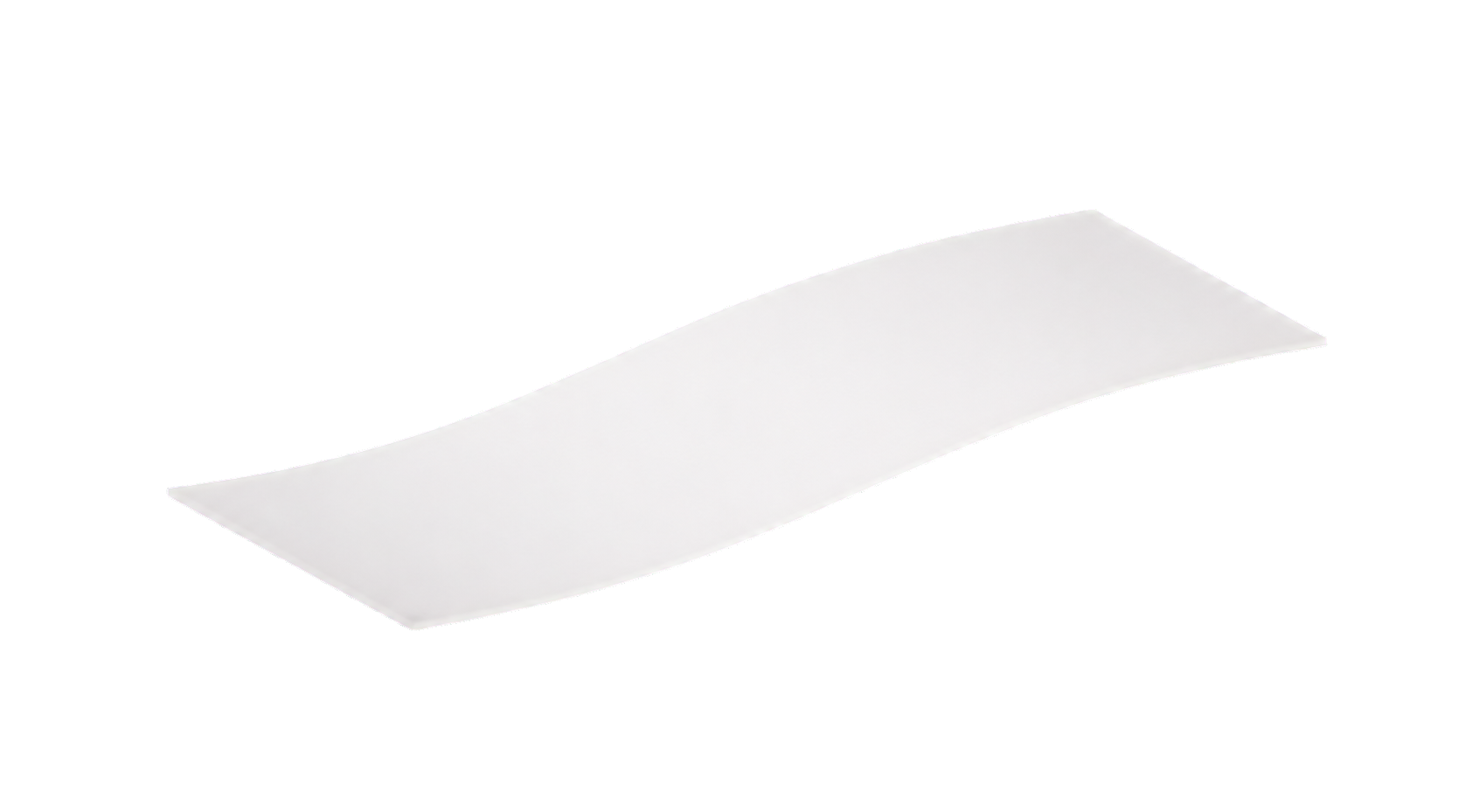
Sheet
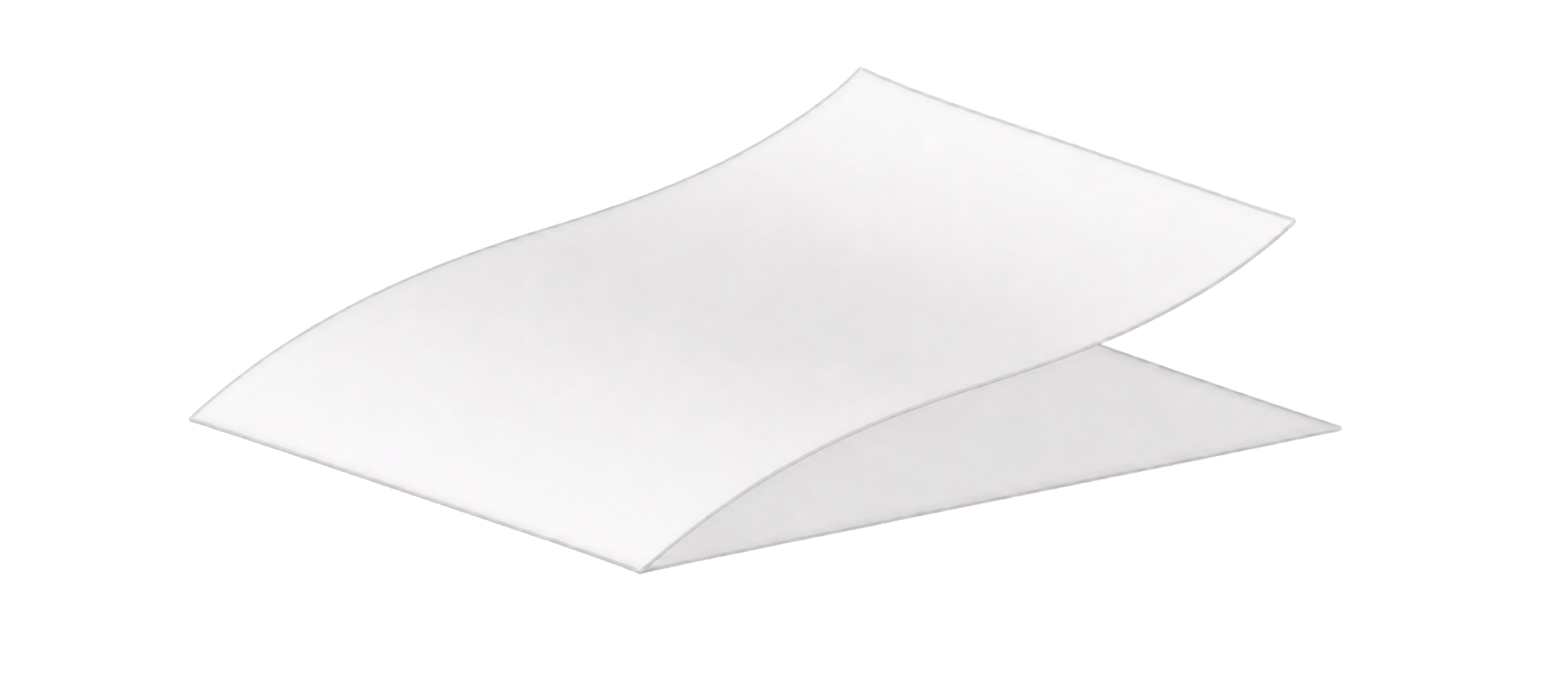
Centerfold
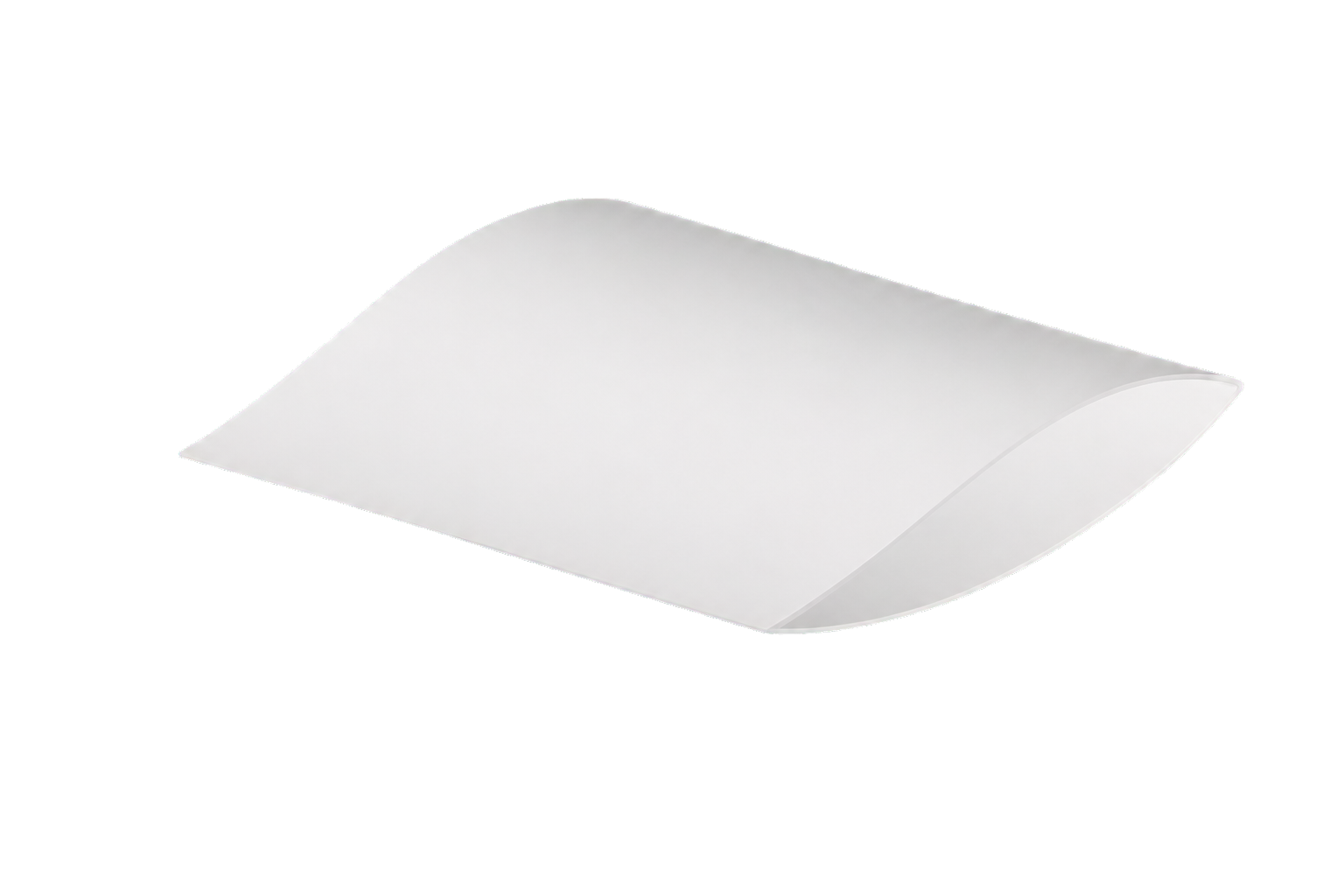
Lay Flat Tubing
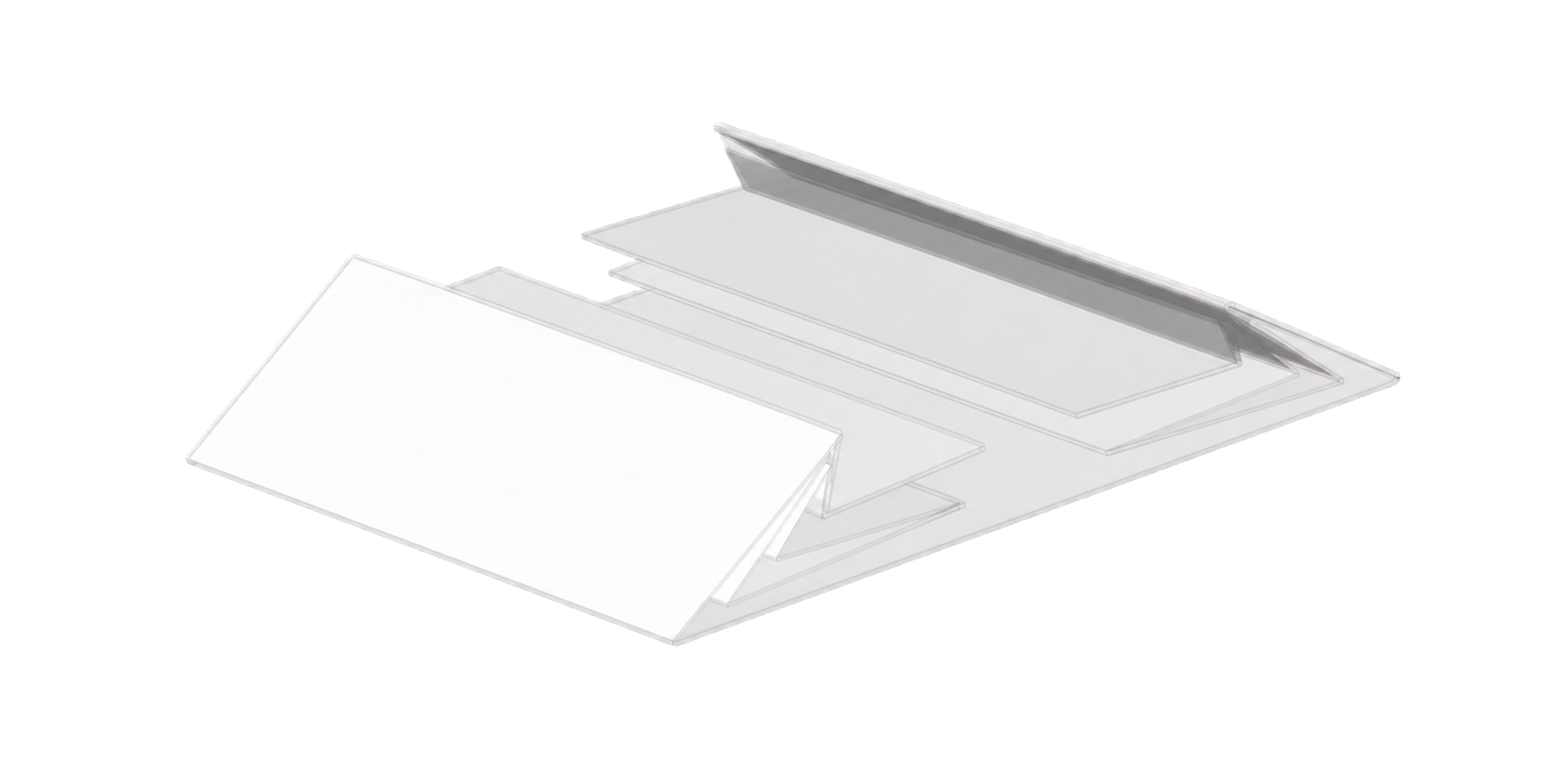
W Fold
Selecting the right bagging film
1. Process
Temperature
Select a film with a maximum service temperature comfortably above the expected cure or processing temperature.
2. Resin & Chemical
Compatibility
Confirm the film is compatible with the resin system, solvents and other processing materials being used.
3. Elongation and
Conformability
Complex moulds, deep draws and tight corners require a film with sufficient elongation to conform without bridging or excessive stress.
4. Film Width
and Format
Choose a width and fold format that minimises seams, reduces preparation time and provides enough material for pleats and movement under vacuum.